April 9, 2026
Essential Guide to the IB Biology Higher Level (HL) Curriculum
Essential Guide to the IB Biology Higher Level (HL) Curriculum
The IB Biology HL curriculum is a rigorous, two-year International Baccalaureate Diploma Programme course designed for students passionate about life sciences.
As part of Group 4 (Sciences), it prepares students for future careers in medicine, research, or biotechnology. This guide details the syllabus, assessment structure, and advantages of studying at ISHCMC.
Core Components of the IB Biology HL Curriculum
The core components define the subject’s structure through distinct levels and thematic organizing principles that shape the student experience.
The Standard Level (SL) vs. Higher Level (HL) Distinction
All students enrolled in the Biology course cover a common core of subject material, but the distinction lies in the depth and breadth of study.
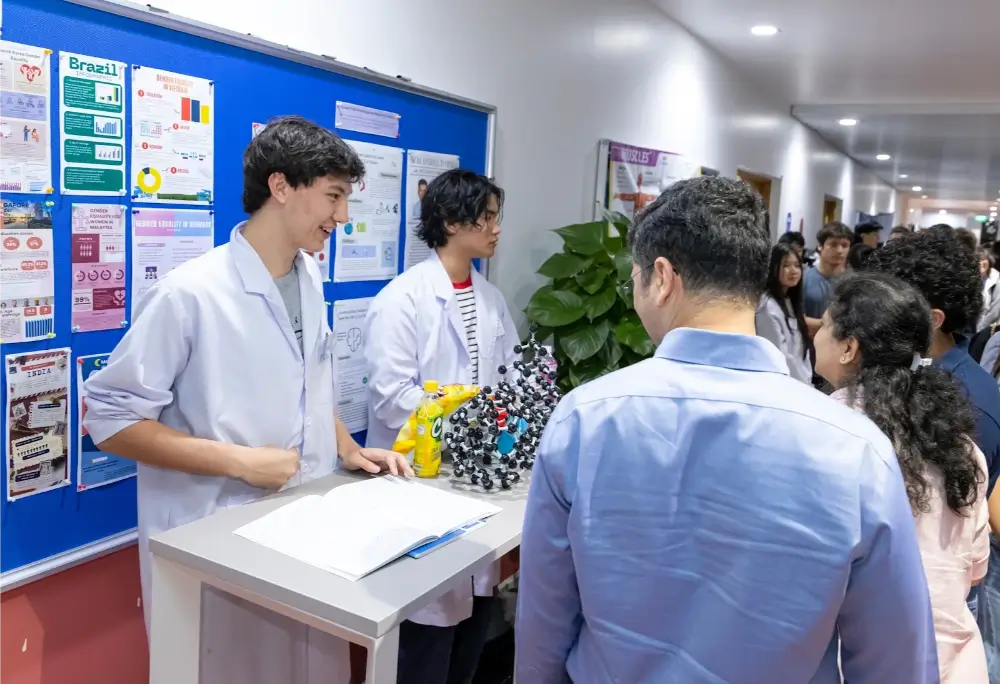
Higher Level (HL) students explore topics with more rigor and detail than IB Biology Standard Level (SL) students. This differentiation is reflected in the required instructional time; HL students must complete 240 hours of teaching, whereas SL students require 150 hours.
At ISHCMC, we ensure that students choosing HL receive the extensive contact time necessary to master these complex concepts.
The Four Organizing Themes (New Curriculum Structure)
The updated syllabus moves away from topic numbers to a conceptual framework, organizing content into four specific themes:
- Theme A: Unity and Diversity: Covers water, nucleic acids, and cell structure. The HL Extension explores natural selection, evolution, and classification.
- Theme B: Form and Function: Examines carbohydrates, proteins, and membranes. The HL Extension details DNA structure, protein folding, and enzyme mechanisms.
- Theme C: Interaction and Interdependence: Focuses on respiration, photosynthesis, and homeostasis. The HL Extension covers neural synapses, muscle contraction, and immunity.
- Theme D: Continuity and Change: Analyzes DNA replication and inheritance. The HL Extension includes water potential, reproductive isolation, and gene mutation.
Assessment Structure of the IB Biology HL Curriculum
Assessment methods of IB Biology HL Curriculum measure student understanding through external examinations and an independent scientific investigation.
External Assessment (Written Exams)
The external assessment structure has evolved to better test student synthesis and inquiry skills. The final grade relies heavily on these written examinations, which are split into distinct papers.
- Paper 1 (36%): This component consists of two booklets taken together. Paper 1A contains multiple-choice questions testing core knowledge, while Paper 1B features data-based questions related to experimental work and the syllabus.
- Paper 2 (44%): This paper requires short-answer and extended-response questions. Students must demonstrate a deep synthesis of knowledge, connecting concepts from different themes to solve complex problems.
The Internal Assessment (IA)
The Internal Assessment allows students to demonstrate self-directed research skills through a specific project.
- Collaboration: The new curriculum encourages teamwork on methodology, but the final report must remain unique to the individual.
- Weighting: The IA accounts for 20% of the final grade.
- Criteria: Assessment now focuses on higher-order thinking, with 50% of marks allocated to Conclusion and Evaluation.
At ISHCMC, our teachers actively support students in selecting IA topics that align with their personal interests and the resources available in our specialist science labs.
The Group 4 Project
The Group 4 Project is a cornerstone of the IB science experience, fostering collaboration across disciplines.
In this project, Biology students work alongside peers from Physics, Chemistry, and Environmental Systems and Societies (ESS) to investigate a common problem.
This interdisciplinary focus is a key part of the IB ethos at ISHCMC, helping students appreciate the interconnectivity of scientific fields.
The Difference Between IB Biology HL and SL
HL Biology is not simply “more work”; it requires a deeper, more nuanced understanding of complex biological processes. Students must navigate detailed biochemical pathways and intricate physiological mechanisms that are not covered in the SL syllabus.
For example, HL students study the detailed mechanics of the human immune system and advanced plant biology. This depth prepares them for the intensity of university-level science courses.
The IB Biology HL curriculum places a premium on higher-order thinking skills. Students must analyze, evaluate, and synthesize experimental data rather than simply recalling facts.
They learn to design sophisticated experiments, identify sources of error, and propose valid improvements. These skills are transferable and essential for any scientific career.
HL Biology is the ideal choice for students targeting competitive degrees in medicine, veterinary science, pharmacy, or pure biology. It signals to universities that the applicant is capable of handling a rigorous academic workload.
At ISHCMC, our career counselors work closely with Grade 10 students to help them decide between SL and HL based on their university aspirations and personal strengths.
Summary Table
| Feature | Standard Level (SL) | Higher Level (HL) |
| Learning Hours | 150 hours | 240 hours |
| Depth of Study | Core concepts only | Core concepts + Additional HL topics |
| Focus | Broad understanding | Deep analysis of complex processes |
| Target Audience | Students needing a science background | Students pursuing science/medicine degrees |
How the IB Biology HL Curriculum Prepares Students for University
This curriculum fosters university readiness by simulating academic rigor and developing essential practical laboratory skills.
Academic Rigor and Time Management
The heavy workload of the IB Biology HL curriculum mirrors the intensity of first-year university science courses.
Students learn to manage their time effectively, balancing theoretical study with practical work. This experience gives ISHCMC alumni a distinct head start, as they are already accustomed to the pace and expectations of tertiary education.
Laboratory and Research Skills
Students gain extensive practical skills, including experimental design, error analysis, and scientific report writing. These hands-on experiences are vital for success in STEM fields.
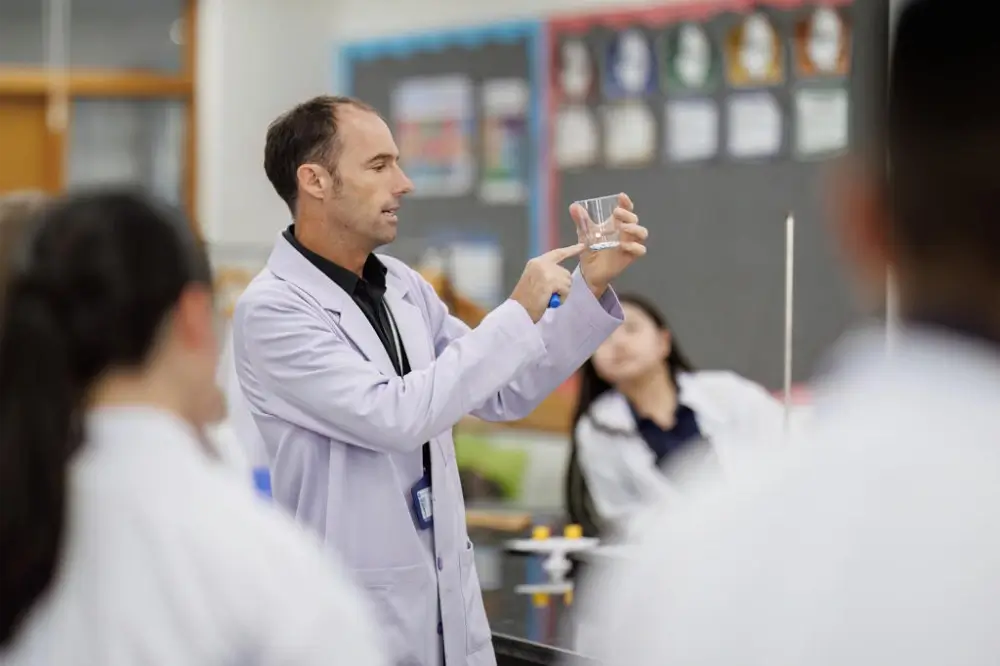
At ISHCMC, students practice these skills in state-of-the-art specialist science labs using industry-standard equipment. Our facilities ensure that students are familiar with the tools and techniques they will encounter in professional research environments.
University Recognition
Top universities globally recognize IB Biology HL as a strong indicator of academic potential. The curriculum’s international standard ensures that grades are comparable and respected worldwide.
ISHCMC consistently demonstrates this success; our 2025 average IB score was 34 points, significantly higher than the global average of 30.
Our graduates have secured placements in top STEM programs at prestigious institutions such as Harvard, Yale, and Seoul National University.
Take the Next Step in Your Child’s Education
Parents can support their child’s future by engaging with the school’s resources and community directly. The IB Biology HL curriculum is a challenging yet rewarding pathway that opens doors to prestigious universities and careers in science and medicine.
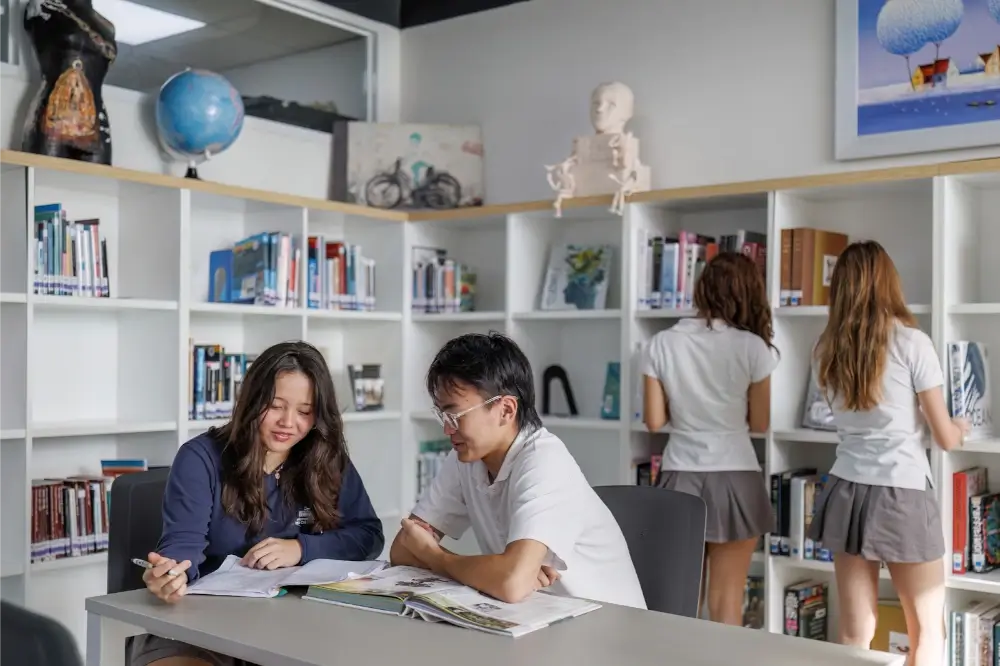
While the curriculum is demanding, ISHCMC provides the ecosystem, labs, teachers, and emotional support, necessary for students to thrive. We invite you to book a campus tour to see our science facilities firsthand and contact our Admissions team to discuss how this curriculum fits your child’s academic goals.
FAQs
Parents often have specific questions regarding the IB Biology HL curriculum and its requirements.
1. What are the prerequisites for IB Biology HL?
Students typically need a strong foundation in general science and mathematics from their Middle Years Programme (MYP) or IGCSE studies. A genuine interest in biological systems and strong analytical skills are also essential for success.
2. How much homework should a student expect?
Students can expect several hours of study per week outside of class, including reading, problem-solving, and lab report writing. The time commitment is significant but manageable with good organizational skills.
3. Can students take IB Biology HL without taking Chemistry?
Yes, students can take Biology HL without Chemistry, though a basic understanding of chemistry concepts is helpful. Many students successfully combine Biology HL with other science or humanities subjects.