
Choosing an International School as a Non-Native English Parent: The Fears No One Talks About
The primary fear when choosing an IB school as a non-native English speaker in Vietnam is whether your child will thrive despite language barriers.
At ISHCMC, we’ve witnessed countless families transform this anxiety into confidence through targeted support systems designed specifically for multilingual learners.
The Hidden Struggles Non-Native English Parents Face When Relocating to Vietnam
The challenges of choosing an IB school as a non-native English speaker in Vietnam include communication gaps with schools, academic concerns for their children, social integration worries, cultural preservation stress, evaluation difficulties in a foreign language, and financial anxiety about whether premium tuition yields appropriate support.
- Communication Disconnect: Parents fear missing critical school updates, struggling to read report cards, and failing to advocate for their child in a foreign language.
- Fear of Academic Failure: Families worry that limited English fluency will cause their child to fall irreparably behind peers in a rigorous IB curriculum.
- Social Isolation Concerns: Language barriers trigger fears that children will face exclusion, teasing, or bullying on the playground.
- Cultural Disconnect: Parents stress over whether their child will lose their native language and cultural heritage in a Westernized school environment.
- The Evaluation Paradox: Families struggle to assess school quality and IB standards when all marketing materials and tours occur in their second language.
- Financial Anxiety: Paying premium international school tuition while doubting whether your child will receive necessary support creates significant stress.
Will My Child Fall Behind Academically in an English-Dominant Environment?
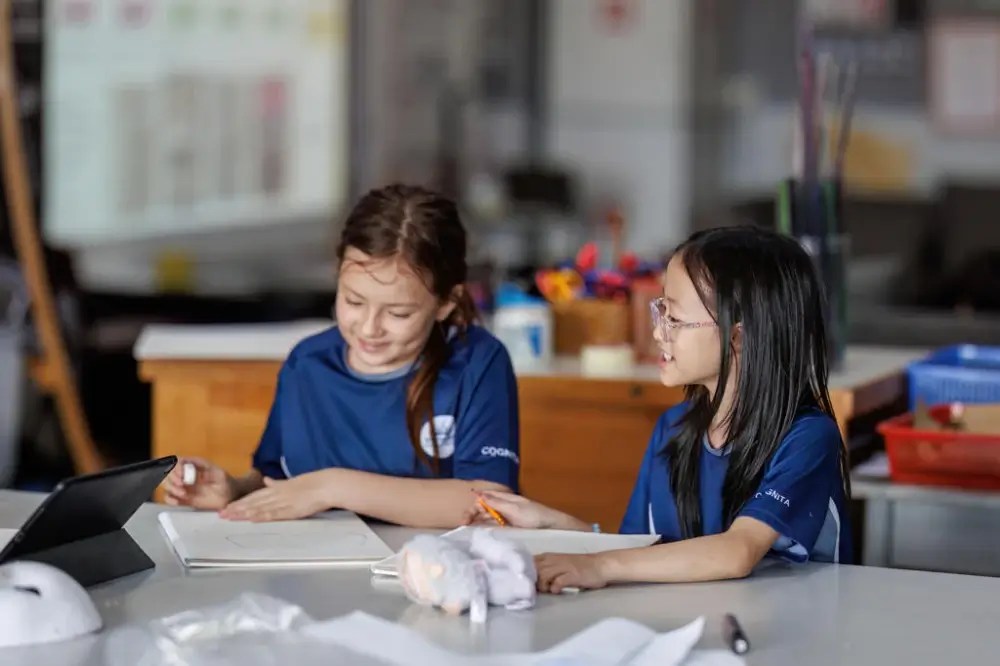
Starting without English proficiency does not lead to long-term academic disadvantage because the IB framework benefits multilingual learners through its inquiry-based approach, and ISHCMC’s English as an Additional Language (EAL) program provides structured support while maintaining mother tongue development.
Research demonstrates that language acquisition follows predictable patterns, with students developing basic communication within months and academic proficiency within a few years. The International Baccalaureate framework enhances this process through inquiry-based methodology, allowing students to demonstrate understanding through multiple means beyond just language.

At ISHCMC, our English as an Additional Language (EAL) program integrates language development across all subjects rather than isolating it.
- Differentiated Instruction: Teachers adapt content and products based on each student’s language level and learning needs.
- WIDA Assessment System: We track language development systematically, adjusting support precisely when needed to prevent students from falling behind.
- Mother Tongue Maintenance: We prioritize home language development, knowing strong first language skills accelerate second language acquisition.
- Proven Outcomes: Non-native English speakers at ISHCMC consistently achieve top IB scores and matriculate into prestigious global institutions like Harvard, Oxford, and SKY universities.

How Can We Stay Involved in Our Child's Education When We Don't Speak English Fluently
ISHCMC ensures non-native English-speaking parents stay connected to their child’s education by providing:
- Multilingual Communication Systems: We provide critical communications in parents’ preferred languages, including report cards, progress updates, and school announcements.
- Professional Translation Services: Important documents and meetings feature professional interpretation to ensure complete understanding of your child’s educational journey.
- Digital Platforms with Translation: Our parent portal and communication tools include built-in translation features that bridge language gaps in real-time.
- Accessible Parent Education: Workshops incorporate visual presentations, demonstrations, and translated materials to make information accessible regardless of English proficiency.
- Cultural Liaisons and Parent Ambassadors: Native-language support staff and experienced parents serve as bridges between families and the school community.
- Visual Communication Methods: Teachers use universal design principles including infographics, visual schedules, and demonstration-based reporting to convey student progress.
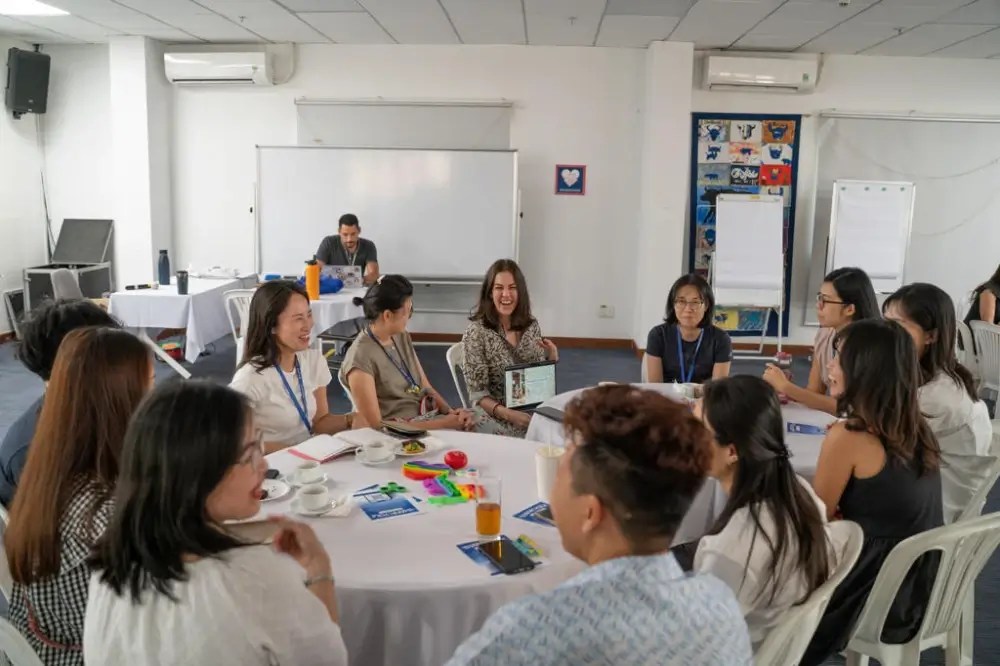
These systems ensure that language differences never prevent meaningful participation in your child’s education. Parents can ask an ISHCMC parent who has navigated similar challenges and can provide first-hand guidance on staying engaged despite language barriers.
Overcoming the Language Barrier: Mitsuki’s Transformation at ISHCMC
Mitsuki’s journey demonstrates how the right school environment transforms a child with zero English proficiency into a confident, joyful learner who embraces challenges within a supportive community.

When Masahide and Michiko Nagano relocated to Vietnam, their daughter Mitsuki could not understand English, creating significant anxiety about her educational future. After exhaustively visiting more than 10 schools in Ho Chi Minh City, they sought an environment that would maximize her potential despite the language gap.
The contrast between Mitsuki’s past and her transformation at ISHCMC reveals the impact of intentional support. In Japan, she cried during a violin recital and left the stage prematurely. At ISHCMC, during a similar IPAA recital, she waved to her classmates, felt encouraged by their cheering, and stated, “I am happy because everyone is here. Everyone cheering me. I want to play more.”
The Nagano family specifically noted the warmth of ISHCMC staff, including Principal Miss Kate, Mr. Jack, and Japanese-speaking staff member Ms. Murata. As Michiko shared, “I feel the warmth of their school as a whole every day.” This consistent support across all interactions created the safety Mitsuki needed to take academic and social risks.
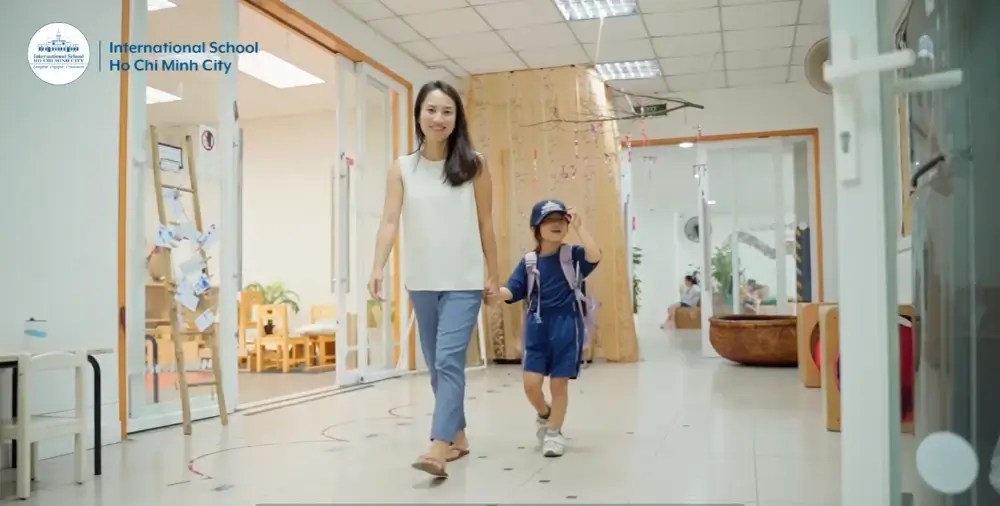
Her parents’ ultimate validation captures the transformation: “We chose ISHCMC to think about how to grow Mitsuki and how to make sense to Mitsuki herself. ISHCMC has many suitable educational policies and evaluations and teachers and the students are very friendly. I think education is a grateful gift from the parents. The transition is quite difficult, quite tough, but this experience is so beautiful and differentiable. I love this school and my daughter also really likes this school. This is a great gift.”
Watch the full interview at: https://www.youtube.com/watch?v=cH0H1wqONes
How ISHCMC Transforms Language Barriers Into Stepping Stones for Success
ISHCMC transforms language barriers into academic advantages through our 30-year legacy of empowering multilingual learners, embedded EAL support, accelerated pathways, data-driven innovation, multilingual community connections, and proven university outcomes that demonstrate starting without English is not a barrier to long-term success.
- A 30-Year Legacy of Empowering Multilingual Learners: We leverage over three decades of experience to seamlessly integrate non-native English speakers into our IB continuum without sacrificing academic rigor.
- Embedded EAL Support Across All Classrooms: Unlike pull-out-only models, our English as an Additional Language (EAL) specialists collaborate directly with homeroom teachers to ensure language acquisition happens naturally in every subject.
- Accelerated Pathways Like Our Intensive English Language Program (IELP): For Grades 6-7 students needing a stronger foundation, we offer 20- or 40-week intensive tracks that follow the IB MYP framework while rapidly building academic English.
- Data-Driven Language Innovation: We utilize cutting-edge methods proven by our UCL Innovation Fellowship, where EAL students using multimedia reflection achieved MAP Reading growth to the 68th percentile compared to 46% for peers.
- A Community That Speaks Your Language: Through our Parent Teacher Organization (PTO), native-language support staff, and a student body representing over 60 nationalities, we ensure parents never feel lost in translation.
- Proven University and Academic Outcomes: Our multilingual learners consistently achieve top IB scores and matriculate into prestigious global institutions (like Harvard, Oxford, and SKY universities), proving that starting without English is not a barrier to long-term success.
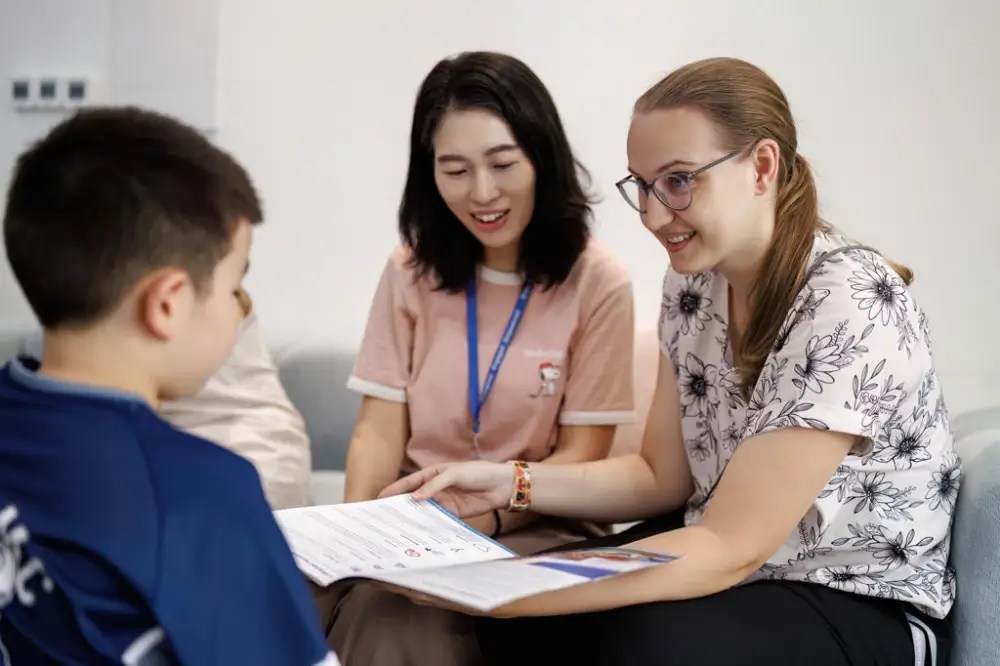
Schedule a Personalized Consultation to Discuss Your Family's Unique Needs
The challenge of choosing an IB school as a non-native English speaker in Vietnam involves navigating communication barriers and academic concerns while ensuring your child receives appropriate support. At ISHCMC, our 30-year track record of multilingual learner success transforms these fears into confidence.

Experiencing our school environment firsthand provides the clearest understanding of how we support multilingual learners. During personalized consultations, our admissions team addresses your specific concerns about language development and academic support.
We invite you to connect with our community and schedule a tour to witness our inclusive environment where students from over 60 nationalities thrive together.
FAQs
When choosing an IB school as a non-native English speaker in Vietnam, parents often have specific questions about support systems and language development timelines.
1. Will my child be separated from mainstream classes for language support?
A: At ISHCMC, we primarily use an inclusive model where EAL specialists collaborate with classroom teachers to provide support within regular classes. This approach ensures students remain engaged with peers while receiving targeted language development.
2. How does ISHCMC maintain our home language while developing English skills?
A: We actively encourage mother tongue development through our world language programs, recognizing that strong first language skills accelerate second language acquisition. Students can continue developing their home language while building English proficiency.
3. What happens if my child struggles despite the EAL support?
A: We implement a multi-tiered support system that includes additional small-group instruction and personalized learning plans. Students in grades 6 and 7 needing more intensive intervention can enter our Intensive English Language Program (IELP) to reach academic benchmarks.
4. Are there other families from our country at ISHCMC who can provide support?
A: With students from over 60 nationalities and staff members who speak multiple languages, most families find cultural connections within our community. Our PTO and parent ambassador programs facilitate these valuable relationships.