June 5, 2026
Art Extracurricular Activities Every Parent Should Know About
Art Extracurricular Activities Every Parent Should Know About
Art extracurricular activities go far beyond painting or playing an instrument. They shape how students think, feel, and connect with the world around them. For parents choosing an international school, understanding what art programs look like at each stage of learning matters. This guide breaks down what to expect and why it makes a difference.
26+ Art Extracurricular Activities at ISHCMC
ISHCMC offers 26+ programs through the ISHCMC Performing Arts Academy (IPAA), supported by 24 dedicated professional performing arts teachers. Students at every level have access to structured, high-quality art experiences.
Early Years Extracurricular Activities
Young learners at ISHCMC explore art through play-based experiences. Activities focus on:
- Mark-making and visual expression
- Music and movement
- Creative storytelling
These early experiences build symbolic thinking and lay the groundwork for deeper artistic engagement in later years.
Primary Extracurricular Activities
Primary students take part in a wide range of creative programs that connect art to their broader learning. Activities include visual arts, music performance, and drama. Students also develop discipline and collaboration through regular practice and school showcases.
For more age-specific ideas, explore our guides on Extracurricular Activities for 8-Year-Olds and 3 Extracurricular Activities for Elementary Students.
Middle Extracurricular Activities
Middle school students at ISHCMC can join audition-based performance groups and explore more specialized disciplines. Options include:
- Choir and instrumental ensembles
- Dance companies and technique classes
- Drama productions and workshops
Students begin to develop a personal artistic identity during these years, preparing them for more advanced programs in high school.
Diploma Years Extracurricular Activities
High school students have access to the full IPAA program alongside CAS (Creativity, Activity, Service), which is a core part of the IB Diploma. Through CAS, students:
- Lead and participate in real creative projects
- Reflect on their growth as artists and collaborators
- Connect their artistic work to meaningful service initiatives
The black box professional-grade theatre and dedicated arts studios give students a space to perform and create at a high level.
Why ISHCMC Offers Art Extracurricular Activities That Go Beyond the Classroom
At ISHCMC, art is not an add-on. It is woven into the school’s wider vision of holistic education.
The school’s POSISH framework (Positive ISHCMC) supports students’ social and emotional growth alongside their academic progress. Through creative practice, students build resilience, empathy, and self-expression — values that sit at the heart of POSISH.
ISHCMC’s purpose-built facilities support this vision:
- A professional black box theatre
- Dedicated art and design studios
- Specialist performing arts teachers with conservatory-level backgrounds
Students from over 60 nationalities bring diverse creative perspectives to every production, exhibition, and rehearsal. This multicultural environment makes the artistic experience richer for everyone involved.
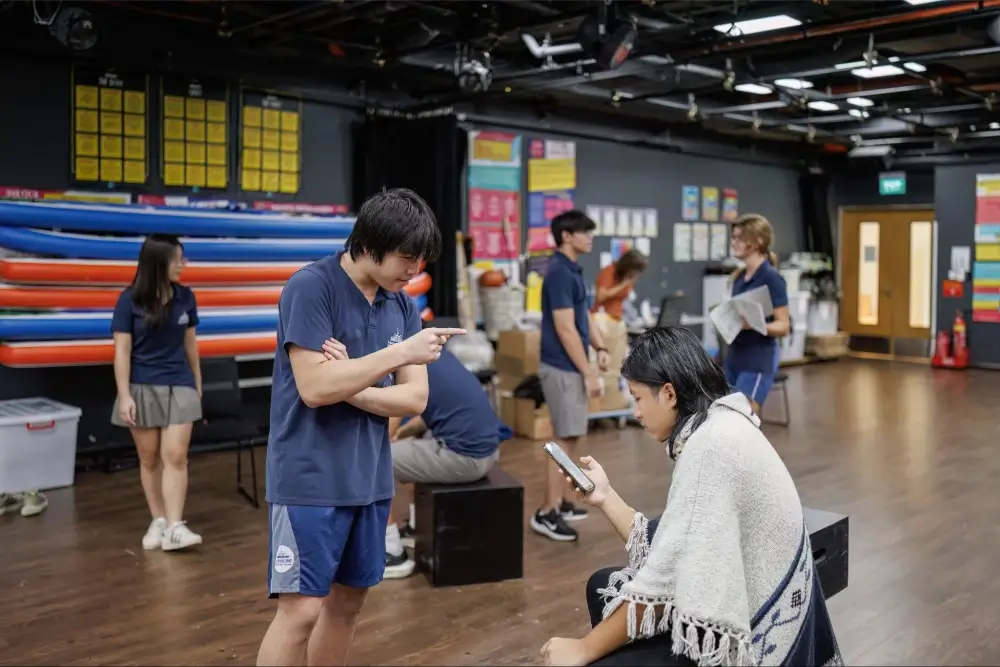
Students bring their creativity to life on stage at ISHCMC’s professional black box theatre.
Art at ISHCMC as a Pathway to Global Universities
Art extracurricular activities carry real weight in university applications. Admissions teams at top universities look for students who show depth of commitment, not just a long list of activities.
At ISHCMC, students in the arts have gone on to study at leading universities around the world, including institutions ranked in the top 10 globally. The Class of 2025 received 1,187 university offers from 22 countries, with an average of 14 offers per student.
Strong arts participation supports applications in several ways:
- It demonstrates sustained commitment and discipline
- It strengthens portfolios for art, design, music, and theatre programs
- It reflects the creative thinking that top universities value across all disciplines
The school’s counselling team works with students from Grade 9 to help them present their artistic journey effectively in their applications.
Outstanding Believer Achiever in terms of Art at ISHCMC
The best way to understand what art extracurricular activities can do for a student is to look at the students themselves.
William and Katherine, two primary students at ISHCMC, performed lead roles in a full production of Disney’s The Jungle Book. William performed his role despite a broken foot, navigating the stage in a wheelchair with the help of a classmate. His message to other students was simple: “Don’t be nervous. If you want to do it, just do it.” Read their full story here.
Tseng Pin-Chao (Benson), a graduate from the Class of 2018, went on to build his own international fashion brand after leaving ISHCMC. He credits the school’s art program and diverse community for shaping his creative vision. In his own words: “Designing at ISHCMC is like a paradise of art, thanks to the facilities and encouragement.” Explore his journey here.
These stories reflect what happens when students have consistent access to quality art programs, supportive teachers, and real opportunities to perform and create.
ISHCMC also participates in the Saigon International Schools Athletic Convention (SISAC), where over 760 students represented the school across multiple disciplines. The same dedication and school pride seen on the field is reflected in every performance on stage.
Learn more about life at ISHCMC and the full range of student opportunities available.
FAQs
1. At what age should children start art extracurricular activities?
Children can begin as early as preschool or early years. Structured programs become more available from around age 5 to 6, though informal creative activities benefit younger children too.
2. Can art extracurricular activities help introverted children build confidence?
Yes. Many introverted students thrive in arts settings. Preparing for a performance or exhibition gives children a clear goal and a supportive group environment to grow within.
3. How many art extracurricular activities should a student participate in at one time?
One or two activities done with genuine commitment tend to produce better outcomes than joining many programs without depth. Quality of engagement matters more than quantity.
4. Are online art extracurricular programs as effective as in-person ones?
Online programs offer flexibility and can develop certain skills well. However, in-person programs provide collaboration, live feedback, and performance experience that are harder to replicate digitally.
5. Do art extracurricular activities look good on college applications?
Yes, particularly when students demonstrate long-term involvement and growth. Universities value consistency, reflection, and the skills that arts participation builds over time.
6. How do art extracurricular activities support children with learning differences?
Arts programs offer diverse ways to learn and express ideas. Students who find traditional academic settings challenging often discover strengths and confidence through visual art, music, or drama.