A Parent’s Guide to Smooth Primary-to-Secondary Transition
The primary-to-secondary transition is the critical shift where children ages 10 to 12 move from a single elementary teacher to specialized secondary instruction. This period shapes long-term academic and personal development.
At ISHCMC, we understand this transition can create anxiety for parents and students alike, but with proper support, it becomes a positive growth opportunity.
What Parents Need to Know About the Primary-to-Secondary Transition
Parents must understand that the primary-to-secondary transition involves significant academic, structural, and developmental shifts that require new student skills.
Students face higher expectations for independent work and increased subject specialization. They also leave the comfort of one primary teacher to manage multiple specialists in a larger campus environment.
Developmentally, this transition coincides with early adolescence, a period of rapid cognitive and emotional changes. Research consistently shows this transition impacts long-term academic outcomes and engagement levels, making proper support essential.
International educational systems handle this transition differently, but the IB Continuum approach emphasizes continuity across educational stages. This framework maintains consistent pedagogical principles while gradually increasing complexity and independence, helping students adapt more smoothly.
Common Challenges During the Transition Period
The primary-to-secondary transition presents multiple challenges that can impact students’ well-being if not properly addressed:
- Academic Challenges: Increased homework load, higher expectations for self-directed learning, and adapting to different teaching styles create initial hurdles for many students.
- Social Challenges: Forming new friendships, navigating larger peer groups, and potential for social anxiety can make students feel isolated during the first months.
- Emotional and Physical Overlaps: Fear of the unknown decreases self-confidence, while the simultaneous onset of puberty brings physical fatigue and hormonal mood swings.
- Organizational Challenges: Managing multiple classes, assignments, and teachers simultaneously requires new systems that many students haven’t yet developed.
For families relocating to another country, the primary-to-secondary transition becomes even more complex. Students must adapt to a new educational system, cultural norms, and language environment while simultaneously managing the standard transition challenges. This dual adjustment can feel overwhelming without proper support systems in place.
The Primary to Secondary Transition: A Journey for Our Grade 5 Students
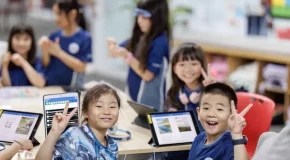
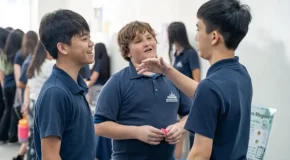
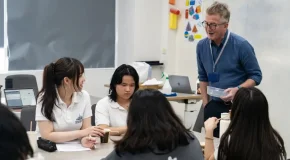
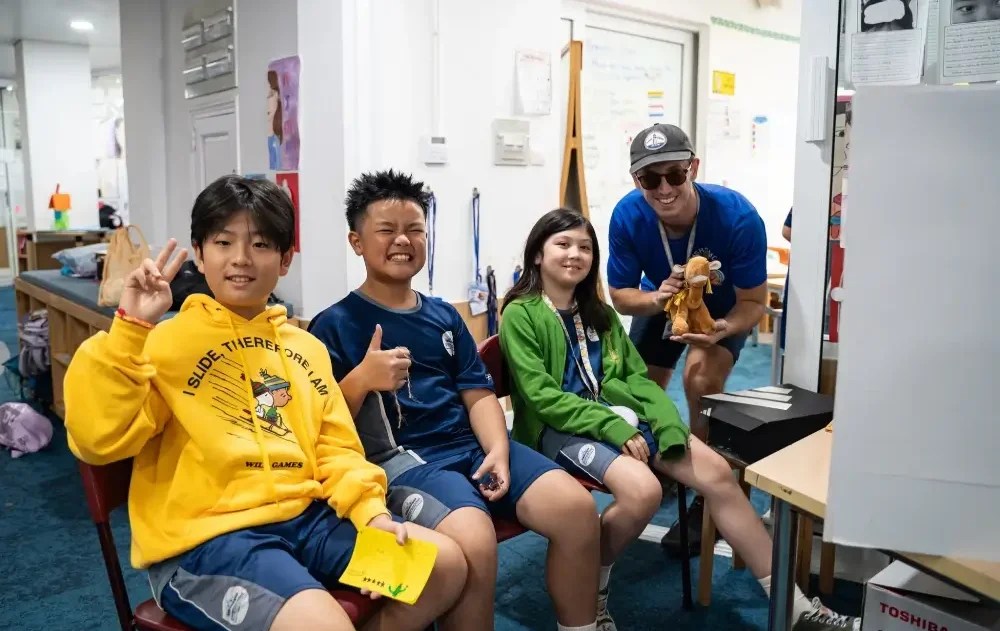
The primary-to-secondary transition at ISHCMC comes alive through our dedicated Grade 5 experience day, where students preview their future secondary campus. Our Grade 5 students walk the secondary hallways, taste the canteen food, and sit in classrooms.
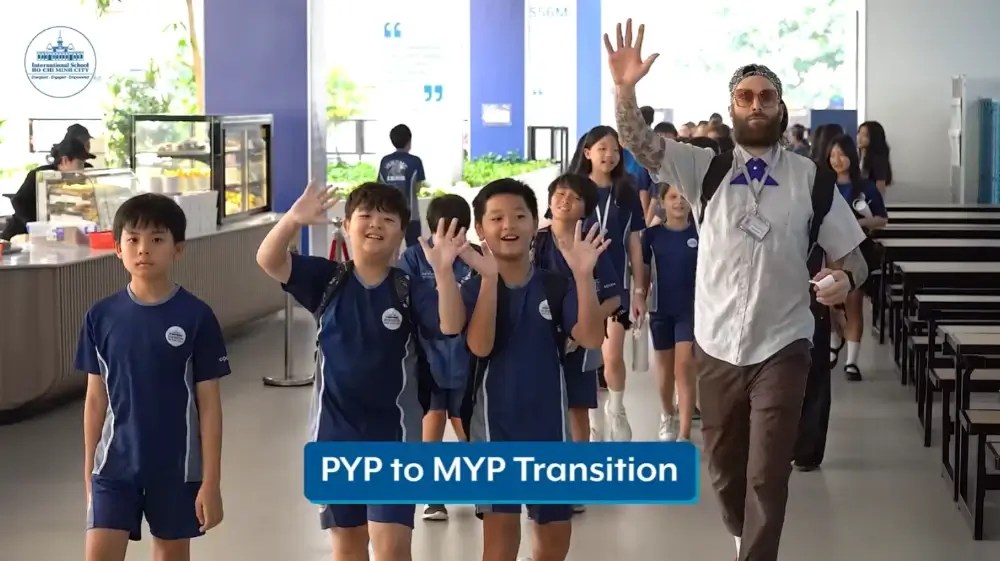
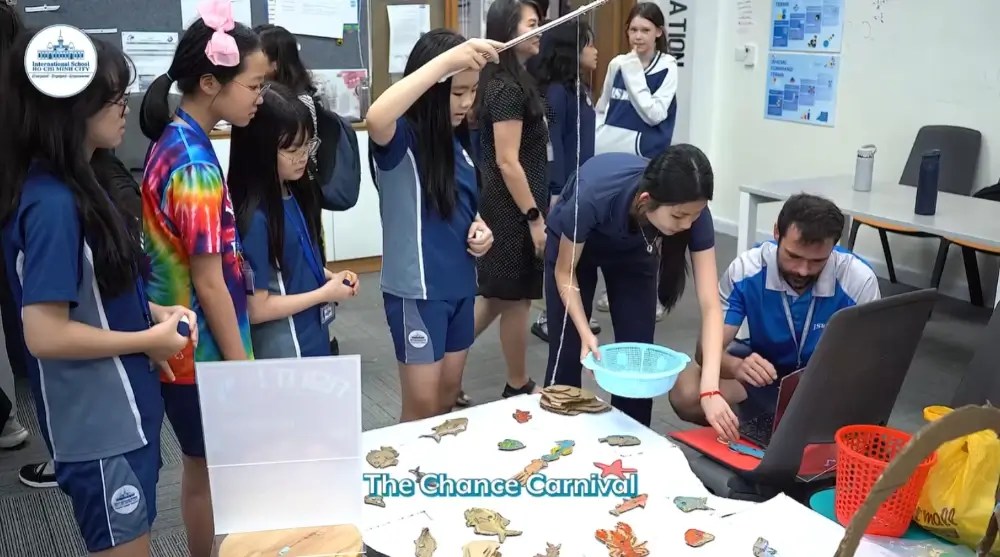
As a highlight, they participate in the Chance Carnival, a series of probability games designed and run entirely by our Grade 9 students.
This hands-on experience builds immediate excitement. Enoch notes the large campus gives him a “good exercise” in finding classrooms. Milo looks forward to “new things and more sports events,” while Sua and Cindy value learning new subjects and exploring self-expression. Even practical details matter, as Tadashi eagerly points out the “delicious foods” and wider options.
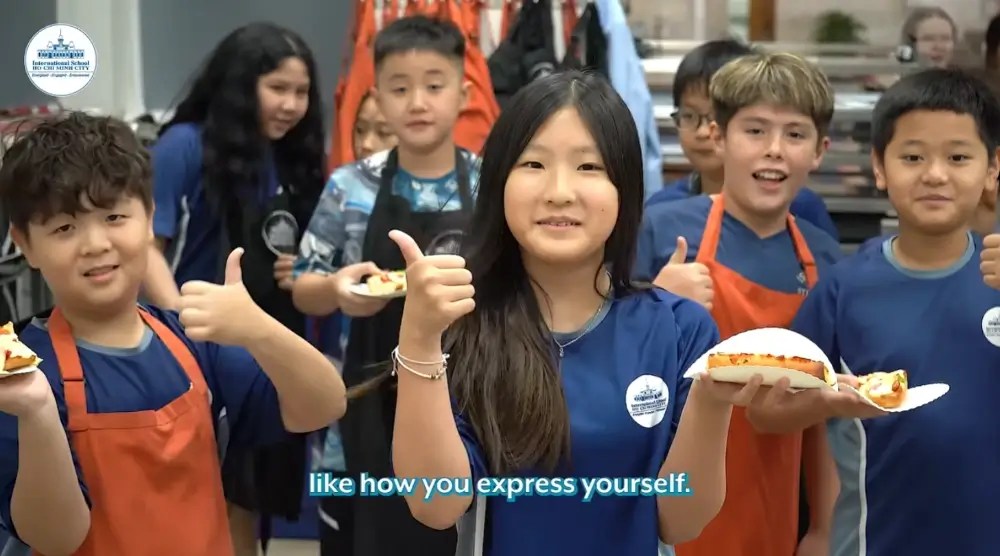
Elementary teacher Samantha Krueger observes that these unique activities engage students deeply, giving them a clear taste of secondary expectations while hearing directly from current Grade 6 peers.
Watch our full video at: https://www.facebook.com/share/v/1D5CKYWMma/
Essential Strategies for Preparing Your Child for Secondary School
Preparing your child for the primary-to-secondary transition requires parents to actively foster independence and establish supportive home routines.
Developing Self-Directed Learning Habits
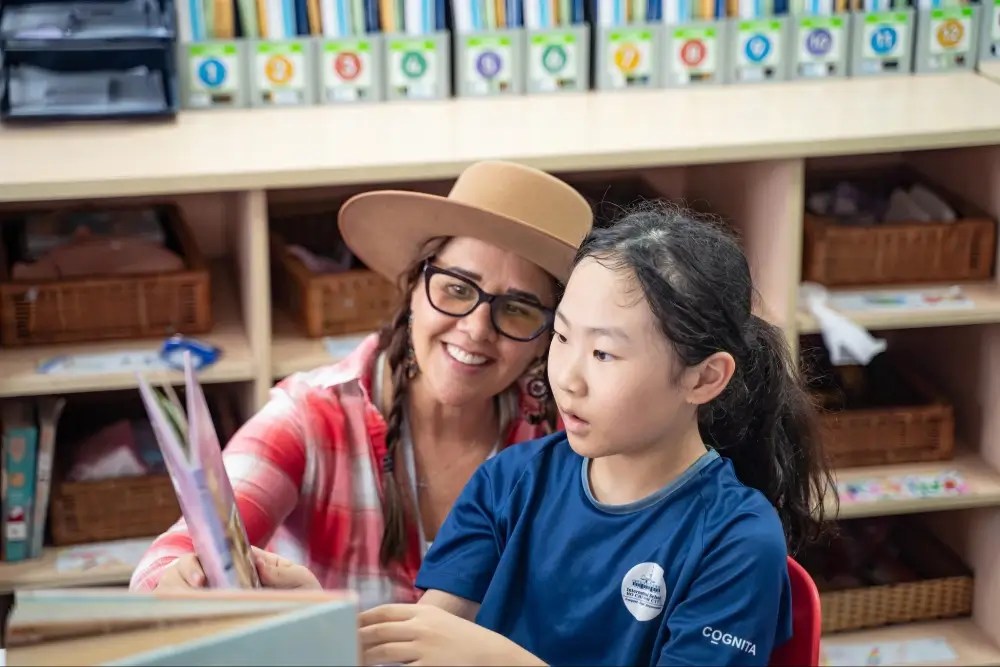
Children develop self-directed learning habits when parents gradually step back from micromanaging daily assignments. This shift builds the academic resilience they need for secondary success.
- Allow natural consequences by letting children manage their homework independently.
- Teach self-advocacy skills, like emailing a teacher for help, which we highly value at ISHCMC.
- Shift the narrative from “pleasing the teacher” to “learning to understand the world.”
- Create a distraction-free study zone that mimics focused secondary environments.
- Encourage goal-setting to mirror the self-management skills required in the IB Middle Years Programme (MYP).
Guiding Children Through Transition-Related Anxiety
Parents can guide children through transition-related anxiety by acknowledging that emotional fluctuations are developmentally normal. Providing consistent reassurance helps students adjust during this vulnerable period.
- Discuss physical changes of puberty alongside academic changes, as the two are deeply intertwined.
- Share age-appropriate stories of your own school transitions to normalize vulnerability.
- Emphasize that it takes an average of six to eight weeks to feel fully settled.
- Encourage involvement in our 95+ after-school activities at ISHCMC to build friendships based on shared interests.
Establishing Practical Routines for a New Schedule
Families establish practical routines for a new schedule by practicing daily logistics before the first day of secondary school. Mastering time management early prevents morning chaos.
- Require children to take ownership of packing their bags and preparing their uniforms.
- Introduce “backward planning” for long-term projects, a critical organizational skill.
- Adjust bedtimes gradually to combat the sleep deprivation that often accompanies secondary school.
- Map out new logistics like bus routes, locker management, and secure device handling.
Moving Abroad: Supporting Your Child Through Dual Transitions
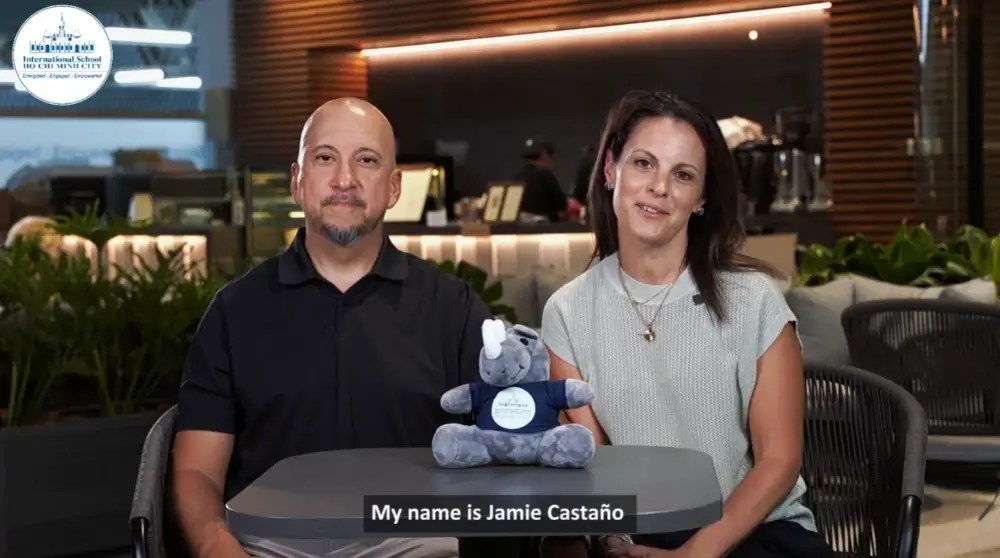
exponentially more complex. The Castaño family’s experience moving from the United States to Vietnam illustrates both challenges and successful strategies.
“What set ISHCMC apart for us was just kind of the ease of the conversation and then very accommodating understanding that we were coming from a completely different country, moving our children, moving our family,” explained Jamie Castaño. This immediate recognition of their unique situation helped the family feel supported from the outset.
For children, the combination of a new country and a new school creates additional adjustment demands. Kaia, who moved during her eighth-grade year, shared, “As someone that is moving from America to Vietnam, it was a very hard situation to be in as it was my eighth grade year, leaving my friends, leaving my family. But honestly, I love school here a lot better than in America.”
Kaia’s advice for other students facing similar transitions: “You may feel like it’ll be hard for a little bit and there’ll be classes that will be hard, but what you have to do is you have to find small things that’ll keep you going through and just do your best for each class and you’ll be able to get through it.”
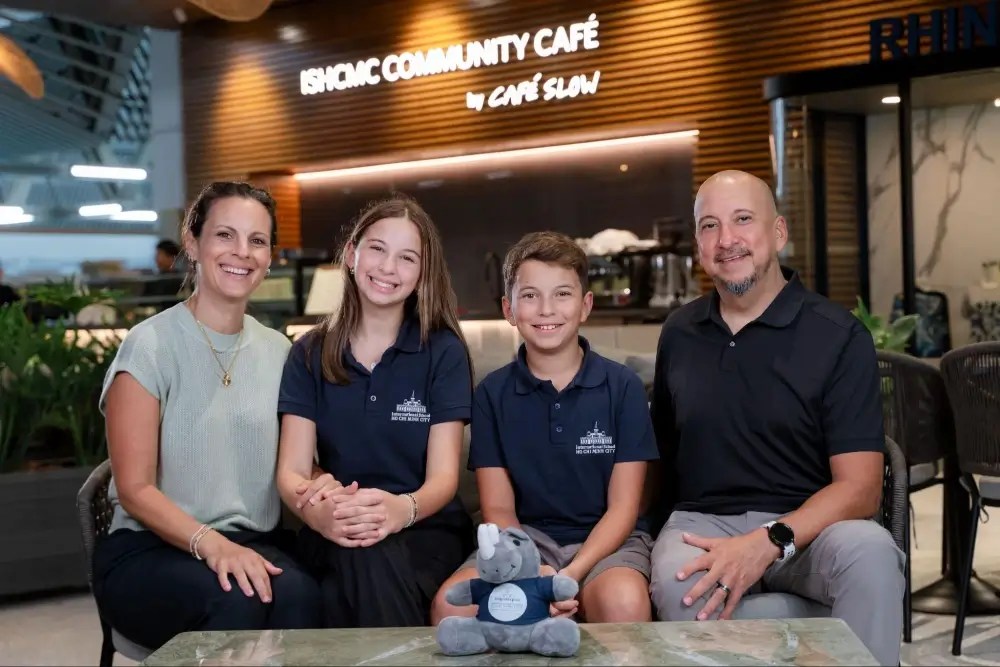
Jamie Castaño highlighted the unexpected academic benefits: “Last Friday morning, our son said to me all of the things he was learning, he just kind of just kept speaking. And he said to me, ‘Mom, in math we’re learning about stocks and bonds and investment, and the teacher’s giving us money to learn how to invest.’ And my mouth just dropped open because imagine a school where kids are actually learning the things that they’re going to need in their life.”
Parents can watch the interview here.
The Role of Schools in Supporting Transitions
Schools play a vital role in supporting the primary-to-secondary transition by implementing structured programs that reduce anxiety and improve continuity.
Effective schools establish clear communication protocols between primary and secondary teachers to share academic and social data. They host orientation activities like campus tours to demystify the new environment.
Bridge programs and ongoing support systems, such as advisory programs, peer mentoring, and counseling services, provide essential safety nets.

Parent involvement strategies such as information sessions, parent networks, and regular communication keep families engaged in the transition process. This partnership between home and school creates consistent support for students.
Furthermore, the IB framework specifically supports continuity across educational stages through its consistent pedagogical approach. This consistency helps students focus on content changes rather than adjusting to entirely new ways of learning.
How ISHCMC Ensures a Seamless Primary-to-Secondary Transition
ISHCMC ensures a seamless primary-to-secondary transition by leveraging our IB Continuum advantage, dedicated transition programming, and deep experience in Vietnam’s international education landscape.
- Early integration: Our dedicated transition program begins in Grade 5 with secondary campus visits and our unique Chance Carnival experience.
- IB Continuum advantage: Our programs provide seamless progression from PYP to MYP with a consistent educational philosophy. Students experience continuity in learning approaches while gradually increasing complexity and independence.
- Community model: Our “One Community, Two Campuses” model maintains strong connections between primary and secondary students during the transition year.
- Emotional continuity: Our holistic social-emotional learning framework (POSISH) supports social-emotional stability, while our Learning Support and EAL teams ensure no student falls through the cracks.
- Teacher collaboration: Primary and secondary teachers collaborate directly to ensure perfect curriculum alignment and facility designs match developmental needs.
- Proven success: Over 30 years of experience inform our approach, yielding improved student well-being indicators and strong academic continuity data.
Take the Next Step in Your Child's Educational Journey at ISHCMC
The primary-to-secondary transition often causes significant anxiety for students and parents navigating complex academic and social changes. However, with the right strategies and a supportive school environment, this period builds lasting confidence.
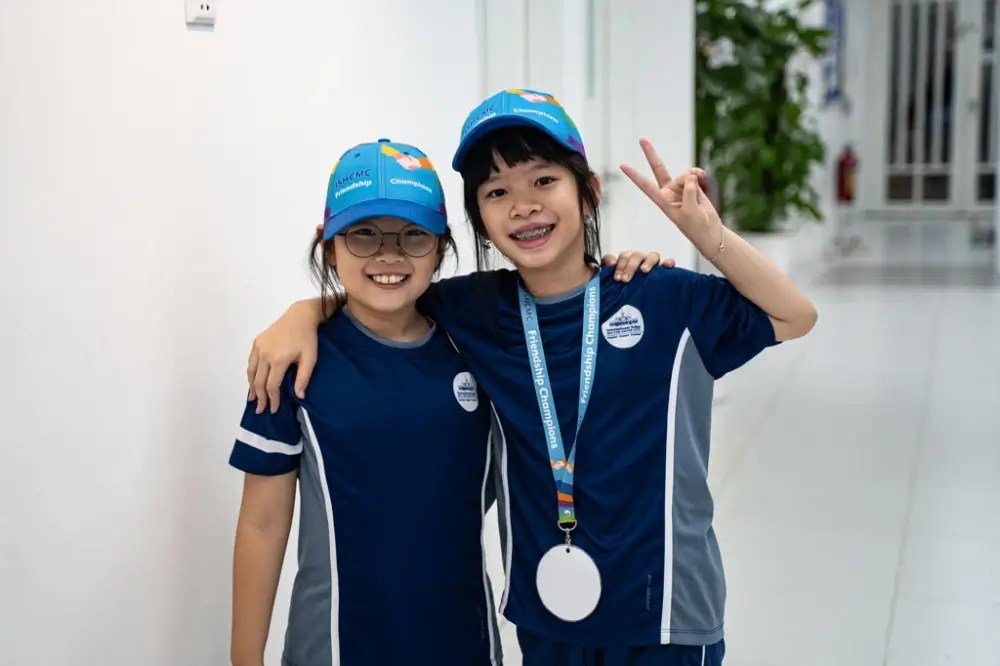
At ISHCMC, our comprehensive approach addresses academic, social, and emotional needs through intentional programming and consistent support systems. Contact us to schedule a campus tour today and see our transition program in action.
FAQs
Understanding the primary-to-secondary transition helps parents effectively support their children through this major educational milestone.
1. What signs might indicate my child is struggling with the transition?
Watch for sudden academic decline, social withdrawal, changes in eating or sleeping patterns, or expressed reluctance to attend school, which may warrant additional support.
2. How can I help my child manage a heavier secondary school homework load?
Parents can teach them to break large assignments into smaller, manageable tasks using a digital or physical planner. This prevents procrastination and builds essential time-management skills.
3. What should I do if my child refuses to talk about their new secondary school classes?
Give them space while subtly remaining available, as pushing too hard can increase their resistance. Share brief, relatable stories about your own work adjustments to model normal vulnerability.