Sports and Extracurricular Activities That Shape Future-Ready Students
From the soccer field to the science club, sports and extracurricular activities give students a chance to grow beyond the classroom. These experiences build real skills, real confidence, and real connections. Whether your child loves movement or creative thinking, the right activity can shape who they become.
How Sports and Extracurricular Activities Support Academic Performance
Joining an activity outside class does more for learning than most parents expect.
The link between physical activity and classroom focus
When students move their bodies regularly, their brains perform better. Research shows that physical activity increases blood flow to the brain, which improves attention, memory, and the ability to process information. Students who play sports tend to stay more alert during lessons and find it easier to concentrate on difficult tasks. Even 30 minutes of movement before or after school can lead to noticeable improvements in classroom behavior.
Time management skills learned through structured activities
Balancing homework, practice sessions, and personal time teaches students a skill many adults still struggle with: time management. When a student has training on Tuesday and a test on Thursday, they learn to plan ahead. This kind of structured routine builds discipline and helps students become more organized, which directly improves their academic performance over time.
Physical and Mental Health Benefits of Joining School Sports
Regular participation in sports and extracurricular activities supports both the body and the mind.
How regular sport participation reduces stress and anxiety in students
Physical activity triggers the release of endorphins, the brain’s natural mood boosters. Students who play team sports or join active clubs report lower levels of stress, anxiety, and feelings of loneliness. Studies conducted during the COVID-19 pandemic found that students who lost access to sports and school activities experienced a significant rise in mental health challenges. Keeping students active and socially connected through school programs makes a real difference.
Building healthy habits and physical fitness from a young age
Children who develop active habits early are more likely to maintain them into adulthood. School sports introduce students to:
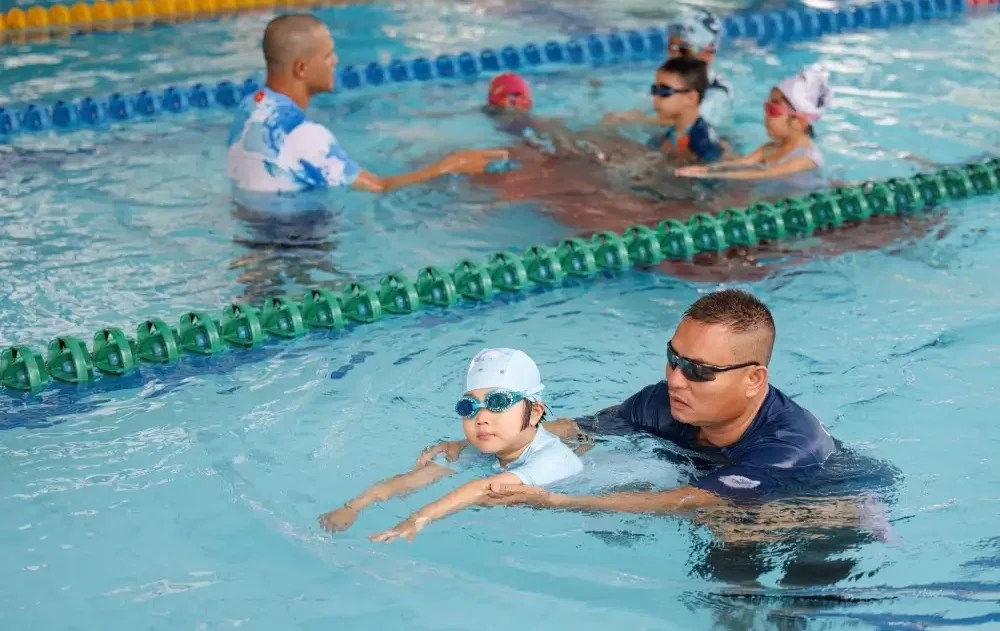
- Cardiovascular fitness through running, swimming, or team games
- Strength and coordination through gymnastics or martial arts
- Consistency and routine through regular training schedules
These habits reduce the risk of obesity, support bone development, and contribute to better sleep, all of which help students show up to school ready to learn.
Social and Emotional Skills Gained Through Extracurricular Activities
Beyond academics and health, extracurricular activities are where students learn how to relate to others.
Teamwork and leadership development through group sports
Team sports place students in situations where they must communicate, support each other, and sometimes lead. A student who captains a basketball team practices making decisions under pressure. One who plays in a group learns to handle both winning and losing with grace. These experiences build emotional resilience and interpersonal skills that serve students well in school and in life.
How arts and clubs help students discover their personal identity
Not every student is drawn to sports, and that is perfectly fine. Drama, music, robotics, and student government offer their own powerful benefits. These activities help students:
- Explore what they are genuinely passionate about
- Build self-expression and creative confidence
- Form friendships with peers who share similar interests
When students find an activity they love, their self-esteem grows naturally.
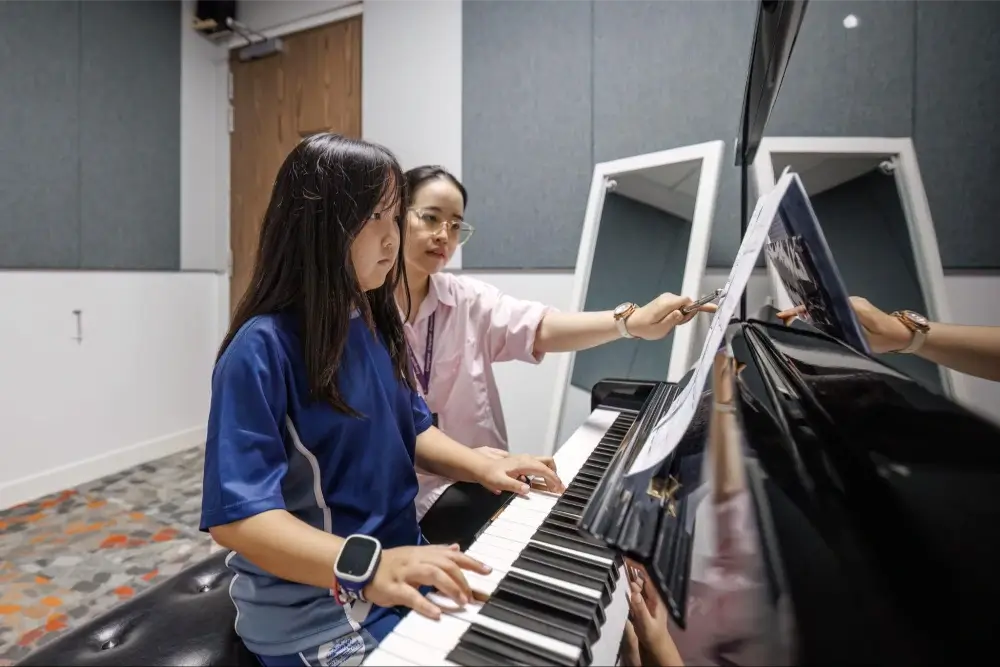
Engaging in drama, music, and visual arts provides learners a creative space to explore their passions and express their identity.
Types of Sports and Extracurricular Activities Worth Exploring
There is no single right answer when it comes to choosing an activity. The best fit depends on your child’s personality, interests, and goals.
Team sports vs individual sports — which suits your child better
| Team Sports | Individual Sports | |
| Best for | Social, outgoing students | Independent, self-motivated students |
| Examples | Football, basketball, volleyball | Swimming, tennis, martial arts |
| Key benefit | Collaboration and communication | Personal discipline and focus |
Both types offer enormous value. The key is letting your child try different options before committing to one.
Academic clubs and STEM programs as valuable extracurriculars
Robotics teams, science competitions, debate clubs, and Model UN are extracurriculars that strengthen academic thinking in a fun, applied setting. These programs are particularly valuable for students interested in university-level study, as they demonstrate curiosity, initiative, and the ability to work on complex problems.
How to Choose the Right Activities for Your Child
Choosing well means listening to your child first. A few practical tips:
- Follow their interest, not yours. An activity your child is genuinely excited about will deliver far better results than one chosen for prestige.
- Start with one or two activities to avoid burnout, especially for younger children.
- Watch how they respond after the first few sessions. Enthusiasm is a good sign; consistent dread is not.
- Revisit choices each year as interests and strengths naturally evolve.
The goal is not to fill every hour but to give your child meaningful experiences that help them grow.
Why ISHCMC Prioritizes Sports and Extracurricular Activities
At ISHCMC, sports and extracurricular activities are treated as a core part of education, not an optional add-on. The school offers a wide range of programs spanning athletics, performing arts, academic clubs, and community service, all designed to support the whole child.
Students at ISHCMC are encouraged to explore their strengths, develop new interests, and build lasting friendships through structured, well-supported activities. With experienced coaches and activity leads, and a campus culture that values participation, ISHCMC creates the conditions for students to thrive inside and outside the classroom. Learn more about student life at ISHCMC.