How Extracurricular Activities Help Elementary Students Grow
Elementary school is more than textbooks and tests. Children grow most when they explore interests beyond the classroom. Extracurricular activities build confidence, social skills, and a love of learning. Research shows students who join after-school programs are up to three times more likely to maintain a strong GPA.
Most Popular Types of Extracurricular Activities for Elementary Students at Home
Home-based activities give children a low-pressure space to explore new interests. They are flexible, affordable, and easy to start.
Sports and Physical Activities That Keep Kids Active and Engaged
Physical activity at home supports both body and mind. Simple options include:
- Backyard soccer or basketball
- Jump rope and obstacle courses
- Martial arts tutorials online
- Family bike rides or swimming
Regular movement improves focus, sleep, and mood in young children.
Arts and Creative Activities That Inspire Self-Expression in Children
Creative play at home encourages children to express feelings and think freely. Popular home-based art activities include:
- Drawing, painting, and craft projects
- Journaling or writing short stories
- Building sets and DIY projects
- Cooking simple recipes together
These activities build patience, creativity, and fine motor skills.
STEM and Academic Clubs That Build Problem-Solving Skills Early
STEM does not require a lab. Children can explore science and technology at home through:
- Coding apps like Scratch or Code.org
- Simple science experiments with household items
- Math puzzles and logic games
- LEGO robotics kits
Early exposure to STEM thinking prepares children for future academic challenges.
=> Related articles: STEM in Primary School
Community and Social Activities That Teach Empathy and Leadership
Children also grow through giving back. Home-based community activities can include:
- Helping neighbors or elderly relatives
- Participating in local charity drives
- Joining online cultural clubs
- Starting a small neighborhood project
These experiences teach children that their actions affect others.
Most Popular Types of Extracurricular Activities for Elementary Students at School
School-based activities offer structure, mentorship, and a sense of belonging. Students connect with peers who share similar interests.
Sports and Physical Activities That Keep Kids Active and Engaged
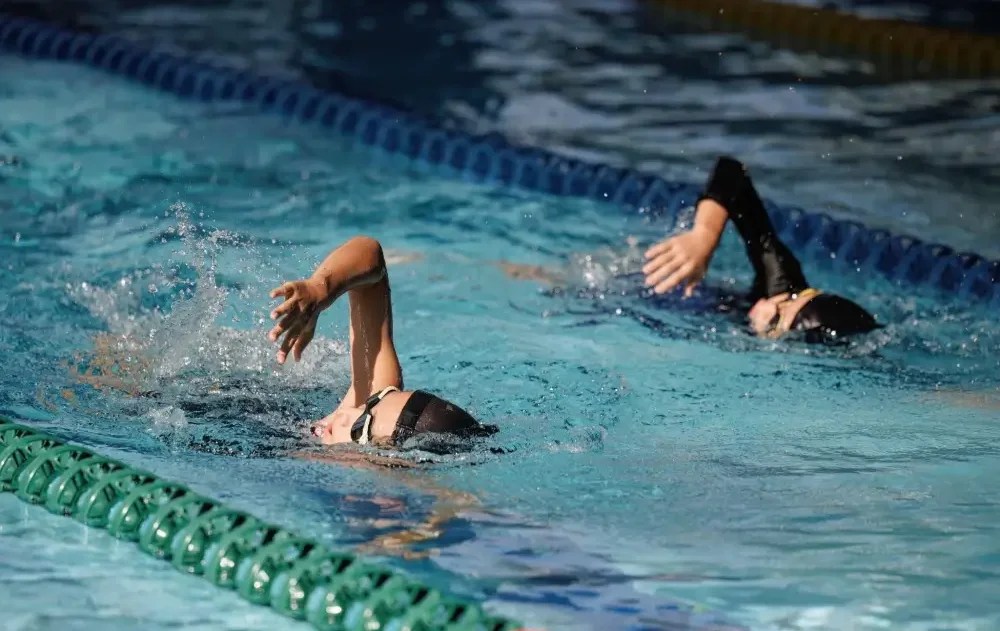
School sports teach more than fitness. Team sports build communication and resilience. Common school sports for elementary students include:
- Football, basketball, and swimming teams
- Track and field events
- Gymnastics and dance classes
Competing with peers helps children manage both winning and losing with grace.
Arts and Creative Activities That Inspire Self-Expression in Children
School arts programs give children a professional stage for their creativity. Students can join:
- School choir or band
- Drama club and theatrical productions
- Visual arts and design classes
Want to explore performing arts by age group? Read our full guide to arts extracurriculars at every stage.
Structured arts programs develop discipline, teamwork, and public confidence.
STEM and Academic Clubs That Build Problem-Solving Skills Early
School STEM clubs provide equipment and expert guidance that home settings cannot always offer. Students benefit from:
- Robotics clubs with hands-on builds
- Science fairs and academic competitions
- Coding and technology workshops
- Math challenge teams
Group problem-solving in a school setting also strengthens communication skills.
Community and Social Activities That Teach Empathy and Leadership
School-based community programs connect students to causes larger than themselves. Options include:
- Student council and leadership boards
- Environmental and sustainability clubs
- Cultural diversity events
- Peer mentoring programs
These activities help children develop a strong sense of responsibility from an early age.
How ISHCMC Supports Extracurricular Activities for Elementary Students
At ISHCMC, extracurricular activities are built into every level of school life. The school offers 95+ After-School Activities (ASA) across sports, arts, leadership, and innovation.
Elementary students have access to:
- Competitive sports teams across football, basketball, and swimming
- The ISHCMC Performing Arts Academy (IPAA) has 26+ programs in Dance, Drama, and Music
- Robotics, outdoor education, and leadership programs
- Purpose-built facilities including three gymnasiums and two 25-meter swimming pools
Extracurriculars at ISHCMC are not optional add-ons. They are part of how the school develops well-rounded, globally ready learners.
Extracurricular Activities at ISHCMC as a Pathway to Global Universities
Strong extracurricular involvement does more than enrich childhood. It builds the profile that leading universities look for.
ISHCMC’s Class of 2025 received 1,187 university offers from 22 countries. Each student earned an average of 14 offers and approximately $813,000 USD in scholarships. Over the years, ISHCMC graduates have gained entry to institutions including Harvard, Oxford, Yale, and Seoul National University.
Admissions teams at top universities look for students who show initiative, leadership, and genuine passion. Consistent extracurricular engagement from elementary school builds exactly that profile over time.
Starting early gives children the time to develop real expertise and a meaningful record of involvement.
FAQs
1. What extracurricular activities are best for elementary students?
Sports, arts, STEM clubs, and community programs all offer strong benefits. The best activity depends on your child’s interests and personality.
2. How many activities should an elementary student do?
One to two activities per week is a healthy balance. Overscheduling leads to stress and burnout.
3. Do extracurricular activities improve academic performance?
Yes. Students who join structured activities tend to develop better time management and focus, which supports academic results.
4. At what age should children start extracurricular activities?
Many programs welcome children from age five or six. Starting early helps children discover their interests gradually.
5. How does an international school support extracurricular development?
International schools like ISHCMC integrate extracurriculars into daily school life. Students access professional facilities, trained coaches, and diverse peers from an early age.