Strategic Career Planning for High School Student
Career planning for high school student success requires a strategic approach, starting with self-discovery and ending with informed university choices.
In a rapidly evolving global economy, parents and students often feel anxious about future job markets. A YouScience survey found 75% of graduates felt unprepared for college and career, while 37% were unsure of their future path.
This article outlines a structured approach to career planning, leveraging ISHCMC’s expertise in holistic education.
The Role of Early Self-Discovery in Career Planning
Self-discovery forms the bedrock of effective career planning by aligning innate strengths with future opportunities. We believe students must understand who they are before deciding where they are going. This phase transforms career planning from a checklist into a journey of personal growth.
Assessing Personal Interests and Aptitudes
Students must identify their learning styles and inherent strengths to ensure long-term satisfaction and success. Without this self-knowledge, they may pursue fields misaligned with their natural abilities.
ISHCMC utilizes objective assessment tools to identify true potential beyond subjective interests. Our POSISH framework fosters the curiosity and self-reflection necessary for this deep introspection.
Aligning Passions with Academic Goals
Identifying core interests helps students select high school subjects that are both engaging and strategic. When students study what they love, they enter a state of “flow,” resulting in deeper learning.
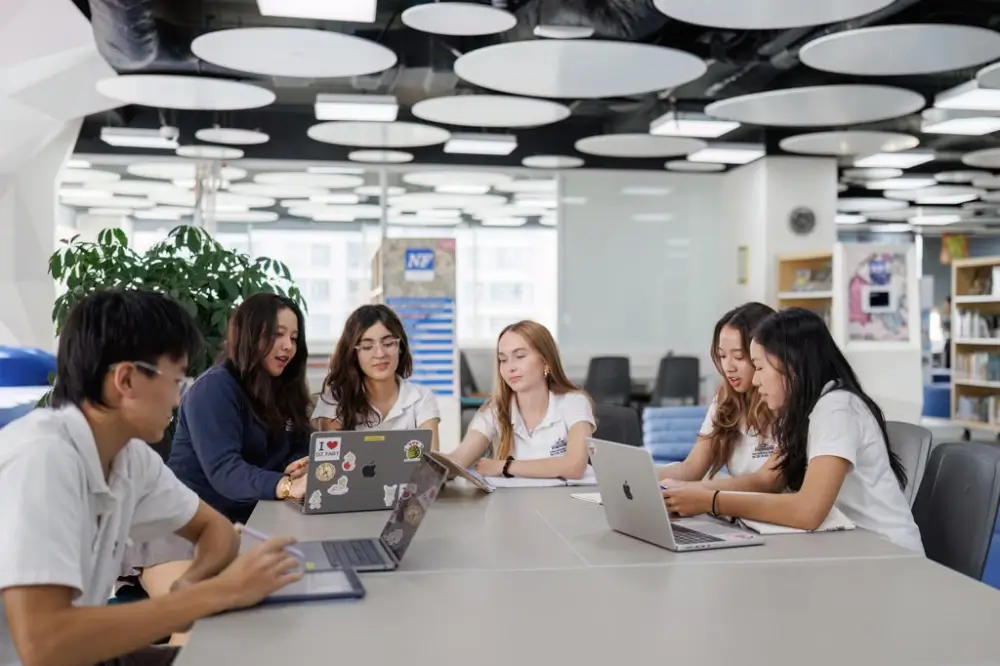
Passion projects often translate into future career directions, serving as tangible evidence of commitment. Career planning is about finding a fulfilling lifestyle, not just a job title.
The Parents' Role in Facilitating Exploration
Parents act as mentors rather than directors, encouraging open conversations about aspirations without pressure. To facilitate effective exploration, parents should adopt specific strategies:
- Encourage open conversations about aspirations, creating a safe space for children to share dreams.
- Expose students to diverse fields through reading, documentaries, and discussions with professionals.
- Support the process of exploration rather than dictating a specific outcome.
How Curriculum Choices Impact Career Planning
Curriculum choices determine university admission success by developing essential critical thinking skills. The rigor of a high school path directly impacts readiness for higher education. We ensure our curriculum challenges students while keeping options open.
The Impact of High School Curriculum on University Admissions
Global universities value rigorous diplomas like the International Baccalaureate (IB) for developing critical thinking and research skills. Admissions officers seek candidates who have pursued challenging coursework.
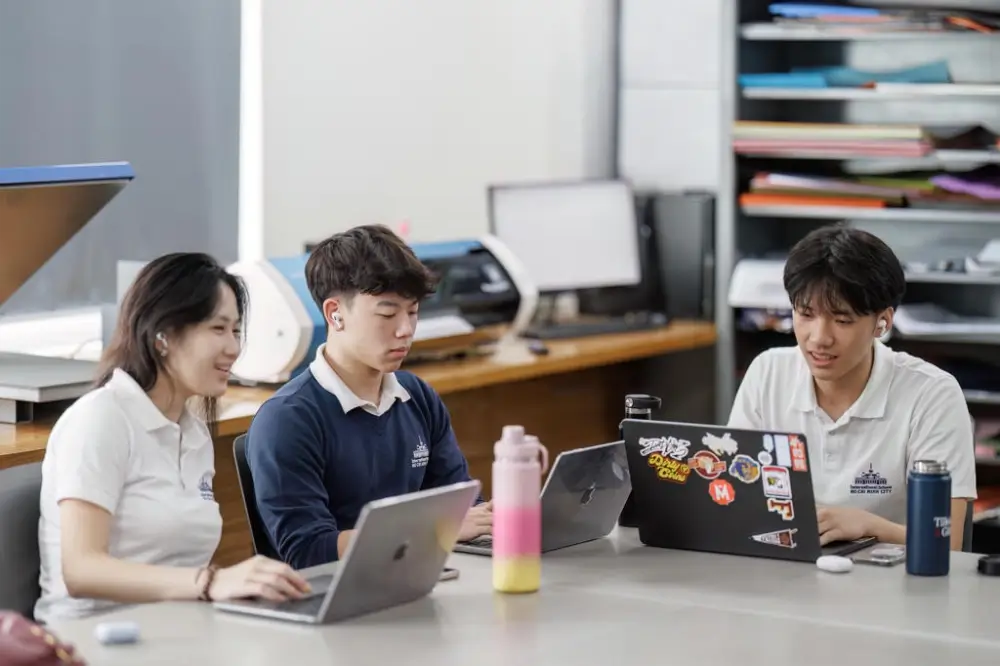
At ISHCMC, our rigorous academic environment ensures students surpass US national norms, preparing them for the demands of higher education.
Revised: At ISHCMC, our rigorous academic environment empowers students to meet the US national norms across multiple grades and subjects, preparing them for the demands of higher education.
If a student aims for a competitive university program, how would choosing Standard Level (SL) help with university or college studies? What about Higher Level (HL)? Parents and students can read our article on “IB SL or HL“ for a deeper understanding of these choices.
The Flexibility of the IB Continuum
The International Baccalaureate (IB) framework encourages breadth and depth of study, keeping university options open. At ISHCMC, we leverage this flexibility to offer multiple pathways suited to different learner needs:
- Full IB Diploma: Ideal for students seeking a comprehensive, globally recognized qualification.
- IB Courses: Allows students to select specific subjects based on strengths.
- ISHCMC High School Diploma: Provides a broad education for students with different future plans.
With 34 IB subjects offered, students at ISHCMC can tailor their education to specific career interests, such as Design Technology for engineering.
Integrating Language and Global Perspectives
Bilingualism provides a distinct career advantage in the global marketplace, enhancing cognitive flexibility and cultural awareness.
At ISHCMC, 57% of our students earn a bilingual diploma; this rate is higher than the global average. This achievement serves them well in international careers where cross-cultural communication is paramount. We link language acquisition to cultural competence, a critical soft skill for future leaders.
Building a Competitive Profile Beyond Academics
A competitive profile extends beyond grades, incorporating extracurriculars to demonstrate character. Universities seek well-rounded individuals who contribute meaningfully to campus life.
Developing Soft Skills Through Co-Curricular Activities
Participation in sports, arts, and clubs builds transferable skills like teamwork, resilience, and leadership essential for modern careers. We observe that students involved in co-curricular activities demonstrate improved discipline and collaboration.
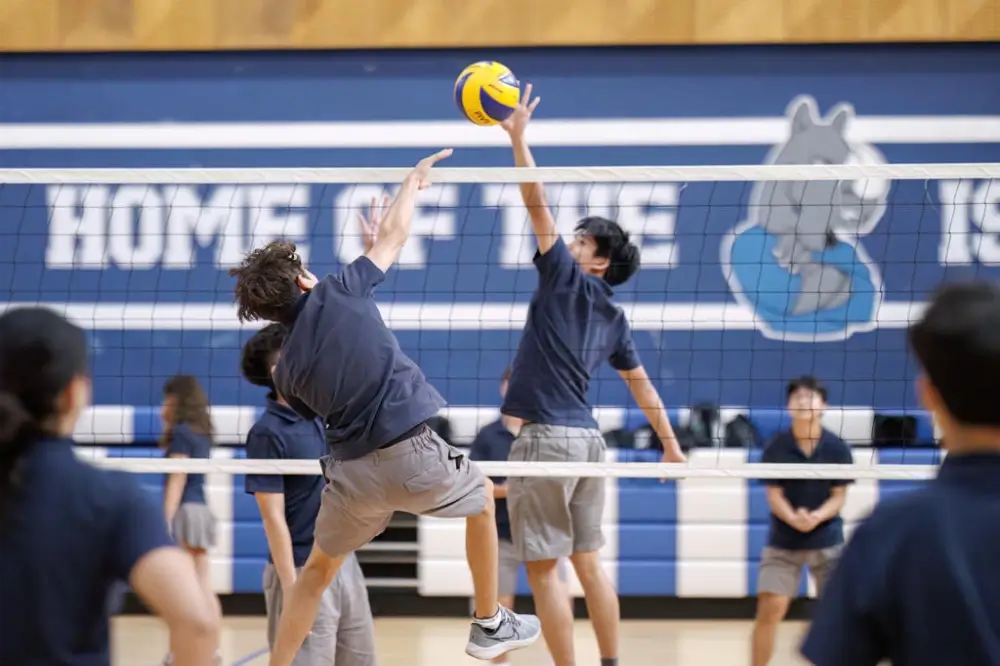
Specific opportunities at ISHCMC include:
- ISHCMC Performing Arts Academy (IPAA): Offers 26+ programs where students learn discipline and performance excellence.
- Stingrays Swim Team: Develops perseverance and competitive spirit.
- Service Learning Clubs: Foster empathy and organizational skills.
These activities directly cultivate the “employability skills” that universities and future employers actively seek.
Service Learning and Social Responsibility
Service as Action (MYP) and CAS (Creativity, Activity, Service – DP) components allow students to test career interests in real-world contexts. Organizing a charity event tests project management skills, while tutoring peers develops communication abilities.
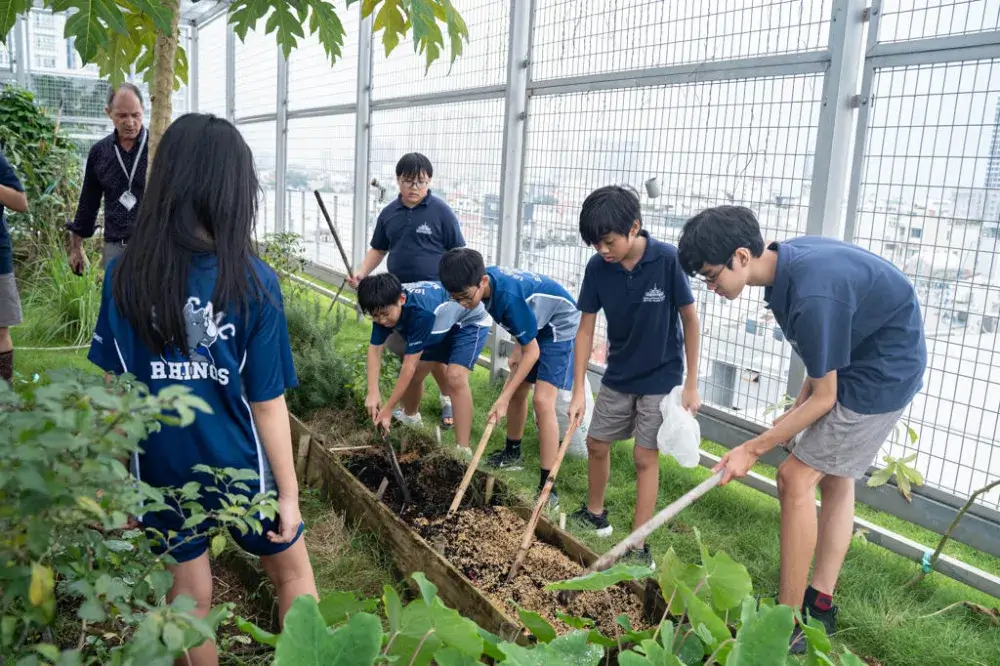
Demonstrating social impact distinguishes applicants in competitive university pools. We are proud of student-led initiatives like the “World Youth Investment Conference,” which provides practical experience in finance and leadership.
The Critical Role of University and Career Counseling
University and career counseling provides essential guidance for navigating complex admission requirements and identifying best-fit institutions.
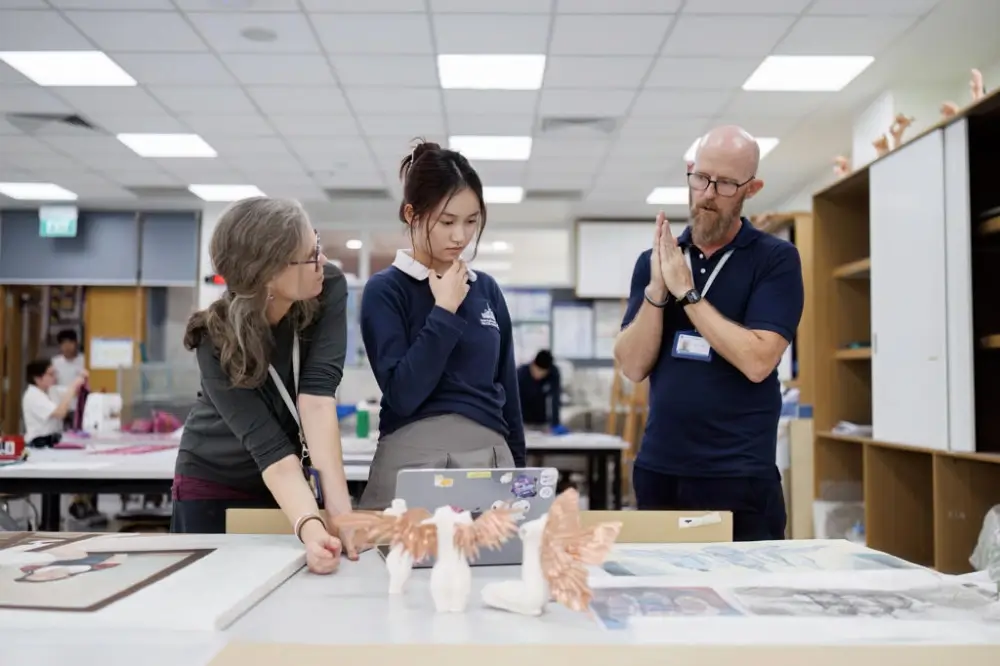
Starting early ensures a proactive rather than reactive approach to the application process. Our dedicated “Future Pathways” team understands global admission requirements for universities in the US, UK, Korea, and beyond.
At ISHCMC, counseling runs from Grades 9–12, ensuring a proactive approach to career planning for high school student success.
For families deciding on the next step, we recommend reading our resource on whether to attend a “college or university” to understand the differences.
ISHCMC’s Holistic Approach to Student Achievement
ISHCMC’s holistic approach balances academic rigor with emotional and social support to maximize student achievement. We combine a 30-year legacy with modern resources to ensure every student thrives.
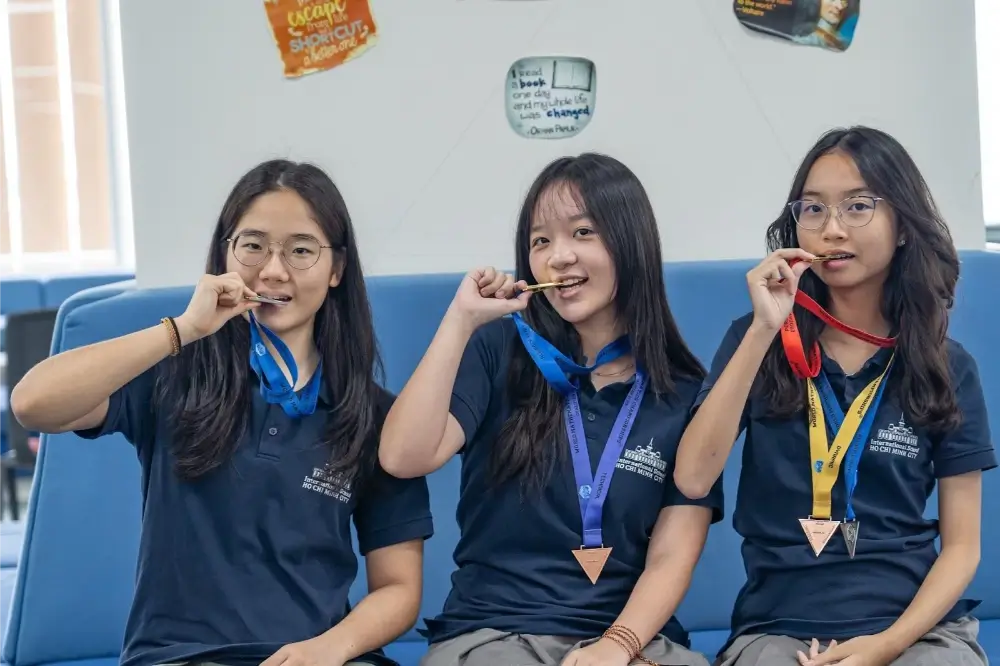
Our commitment to the whole child sets us apart in international education:
- A Legacy of Academic Excellence and Care: Our 30-year legacy emphasizes a “culture of care.” POSISH supports emotional and social needs. As of February 2026, the results speak for themselves:
- Class of 2026 earned $112M USD in scholarships.
- 2,068 university offers received.
- Average of 13.79 university offers per student.
- World-Class Facilities Designed for Growth: Purpose-built facilities allow students to “try on” careers. The University Center aids research, while design studios and the Black Box Theatre enable hands-on experimentation.
- A Community of Global Citizens: A diverse community of 60+ nationalities mirrors the global workforce. We have a track record of offers from Harvard, Oxford, Yale, and SKY universities due to strong advocacy.
Begin Your Child’s Journey to Excellence
Effective career planning for high school student development resolves the anxiety of navigating an uncertain future economy. ISHCMC provides the rigorous academics, supportive frameworks, and expert counseling necessary to transform uncertainty into opportunity.
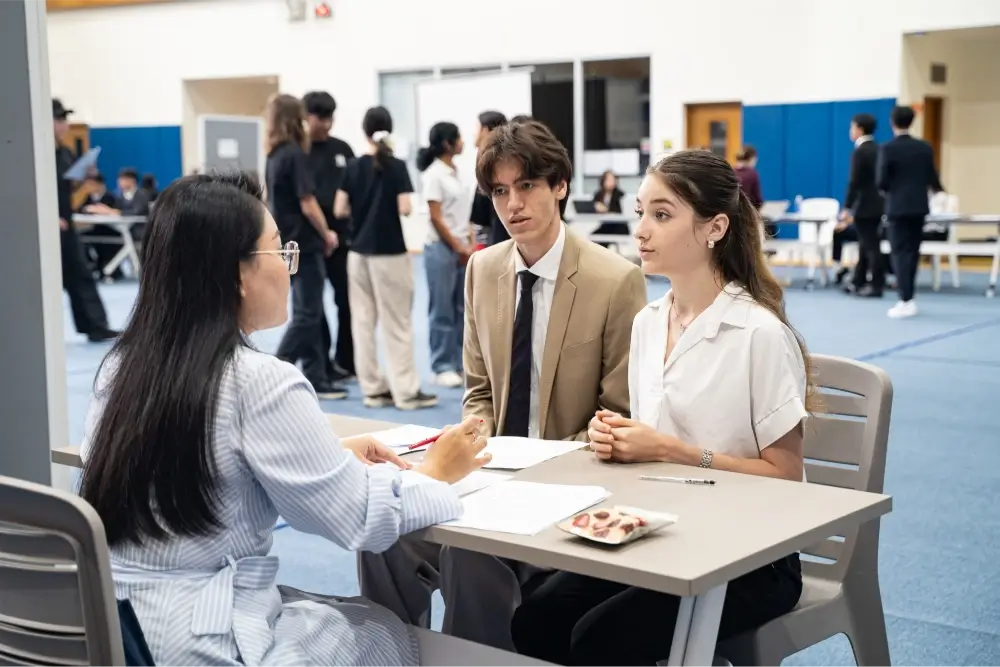
By fostering self-discovery and offering flexible academic pathways, we empower students to achieve their highest potential. Join us at ISHCMC to lay the foundation for your child’s lifelong success.
FAQs
Effective career planning for high school student development often raises questions for parents navigating this complex process.
1. What if my child is unsure about their career path?
It is normal for students to be unsure; our curriculum encourages breadth of study to keep multiple options open. We focus on developing transferable skills that apply to various future careers.
2. How does ISHCMC support student mental health during this process?
Our POSISH framework prioritizes student well-being, fostering resilience and empathy throughout the academic journey. We maintain a culture of care where counselors support social and emotional needs.
3. What is the difference between Standard Level and Higher Level IB courses?
Higher Level courses cover subjects in greater depth and breadth, often required for specific university programs, while Standard Level provides a solid foundation. Both levels contribute to the final IB score.
4. Are extracurricular activities important for career planning?
Yes, activities like sports and arts develop soft skills such as leadership and teamwork that are essential for the workplace. They also help students identify passions outside the academic curriculum.