IB Computer Science Benefits for Admissions and STEM careers
In today’s world, which is witnessing rapid advancement in technology, making the appropriate choice for a computer science class during high school is an important consideration for one’s future success and chances at top colleges. A computer science class that simply teaches coding is nothing compared to the rationale and expertise that the IB Computer Science course has to offer, providing a comprehensive and challenging subject for its students.
Why IB computer science is more than just coding
While many students associate computer science solely with programming, IB Computer Science offers a far broader and deeper learning experience. The goal of this subject is to increase awareness about how computer systems function, how problems can be solved with logic, and how technology affects individuals and society.
Instead of focusing on a particular programming language, the focus is on teaching the student to think like a computer scientist. The student immerses in abstraction, algorithms and data structures, and system design skills that will remain relevant even as technology continues to evolve. The other equally important aspect is examining the way in which digital solutions are developed and evaluated.
By prioritizing reasoning skills in Programming rather than rote coding, students gain well-rounded skills that span disciplines from engineering to data science, economics, design, and more. In short, IB Computer Science prepares students for more than just leveraging technology – they are prepared to shape it responsibly.
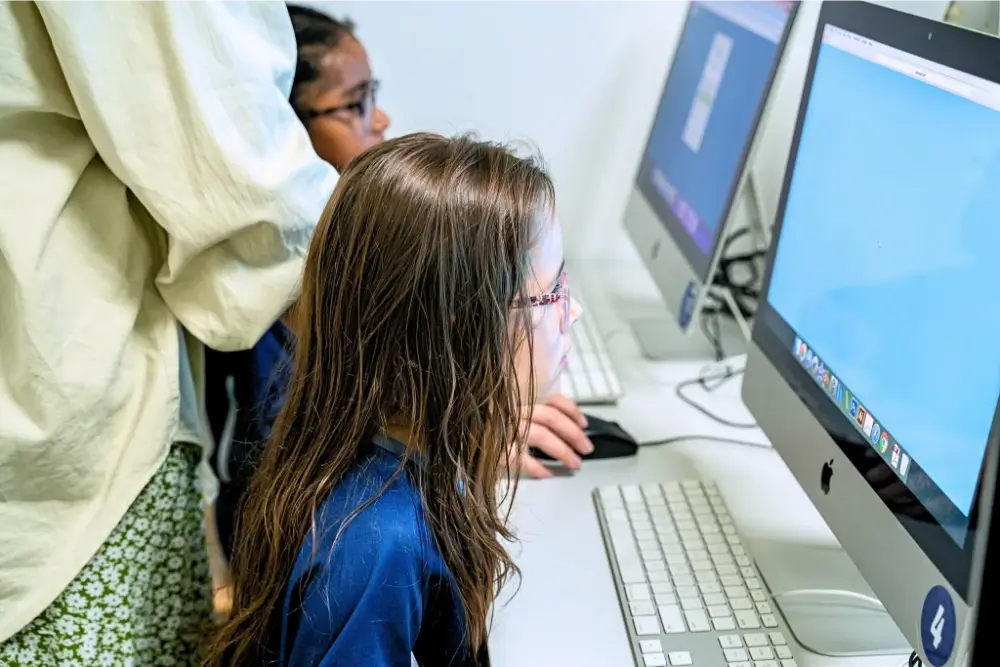
At ISHCMC, Computer Science goes beyond just writing code. The curriculum focuses on three essential pillars that prepare students to handle complex challenges in the digital world:
- Computational Thinking: This involves breaking down big, complex problems into smaller, manageable steps. Students learn to organize data and create logical sequences to find solutions – a skill they apply not just in coding, but across all subjects in our inquiry-based curriculum.
- Problem-Solving & Debugging: When a program doesn’t work, students learn to analyze the system systematically to find the error. Whether in our robotics program or innovation labs, students practice resilience by testing, failing, and “debugging” their projects until they succeed.
- Ethical Practice: As technology advances, we teach students to consider its impact on society. Discussions focus on data security, bias in artificial intelligence (AI), and the responsibilities of a digital user. This aligns with ISHCMC’s strong commitment to Digital Citizenship, ensuring students use technology with integrity and care.
Aligning with future skills: From university to the global workplace
The skills acquired in IB Computer Science align closely with the future requirements of the job market. Both colleges and employers value graduates who think critically, remain adaptable as technology changes, collaborate effectively with others, and apply ethical judgment to digital dilemmas. These give a relevance to IB Computer Science beyond the classroom.
Demystifying the IB computer science curriculum: HL vs. SL
Understanding the difference between Higher Level (HL) and Standard Level (SL) is essential when choosing IB computer science. Both levels share a common core, ensuring all students develop a solid understanding of computational concepts, programming fundamentals, and system design.
In the case of SL, the emphasis is on core skills, which include problem solving, data representation, and an introduction to computer programming. Such a pathway is ideal for individuals wishing to become proficient digital literates or for those pursuing further education at the university level but not necessarily tech-based courses.
HL goes significantly deeper. Besides the study of SL content, topics explored in HL courses include abstract data structures, algorithm complexity, and management of resources. Students are expected to exhibit a deeper understanding of the underlying concepts from a theoretical standpoint.
For both levels, there is an internal component that involves a project in which students have to develop a computational solution for a real-world problem. This is a project-based component that replicates university coursework. It allows students to demonstrate autonomy, creativity, and technical skills that may be required in admissions.
Summary of Differences: SL vs. HL
| Feature | Standard Level (SL) | Higher Level (HL) |
| Core Focus | Fundamentals of programming, databases, and computer organization. | All SL topics plus abstract data structures, resource management, and control systems. |
| Case Study | Not included. | Includes an annual Case Study analysis of a current technology issue. |
| Curriculum Depth | 150 teaching hours. | 240 teaching hours (more in-depth coverage). |
| Target Student | Students interested in general tech literacy or non-CS majors. | Students aiming for Computer Science, Engineering, or Data Science degrees. |
How IB computer science opens doors to top universities and careers
Preferred preparation for STEM and beyond
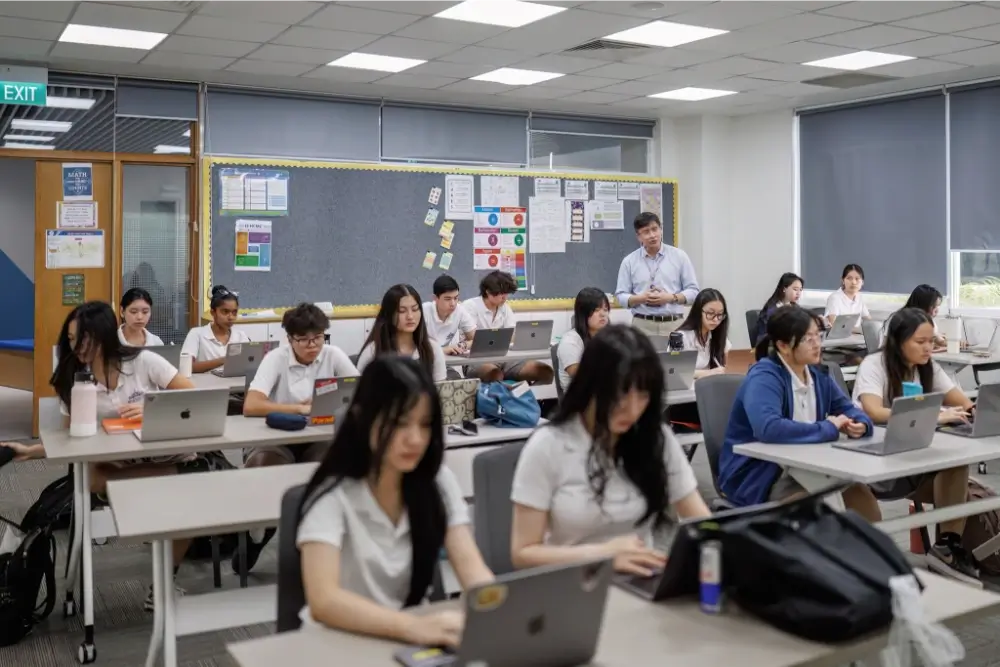
Top universities consistently view the IB in Computer Science as excellent preparation for STEM disciplines. The nature of the course demonstrates a student’s ability to manipulate abstract concepts, conduct independent investigations, and apply theory in practical contexts. Many admissions officials consider IB Computer Science to be an indicator of academic challenge, particularly when combined with mathematics and science courses
Importantly, the course also benefits students pursuing non-traditional pathways. Fields such as economics, architecture, business analytics, and digital media increasingly require computational thinking and data literacy.
Spotlight on in-demand career pathways
IB Computer Science graduates go on to find strong footholds in software engineering, AI, cybersecurity, data science, and robotics. The skill set also opens doors to product management, fintech, and technology consulting. As digital transformation speeds up across sectors, computer science remains increasingly relevant for the long haul.
Key considerations for students choosing IB Computer Science
Assessing your child's aptitude and interest
Success in IB computer science is not based on previous experience in coding. What is more important is curiosity, logical thinking, and perseverance. Students who enjoy problem-solving, observing patterns, and thinking in structured ways tend to appreciate the subject. Willingness to try things out, learn from mistakes, and think independently is more important at the start than technical skill.
Essential questions to ask a school's computer science department
Families should consider how computer science is taught and supported when choosing schools. Relevant questions for application: How does the program balance theory with hands-on practice? What programming languages or tools are covered? How does the school mentor students through internal assessment? Quality teaching, resources, and guidance go a long way in students’ achievement of relevant learning outcomes.
The ISHCMC advantage in nurturing future innovators
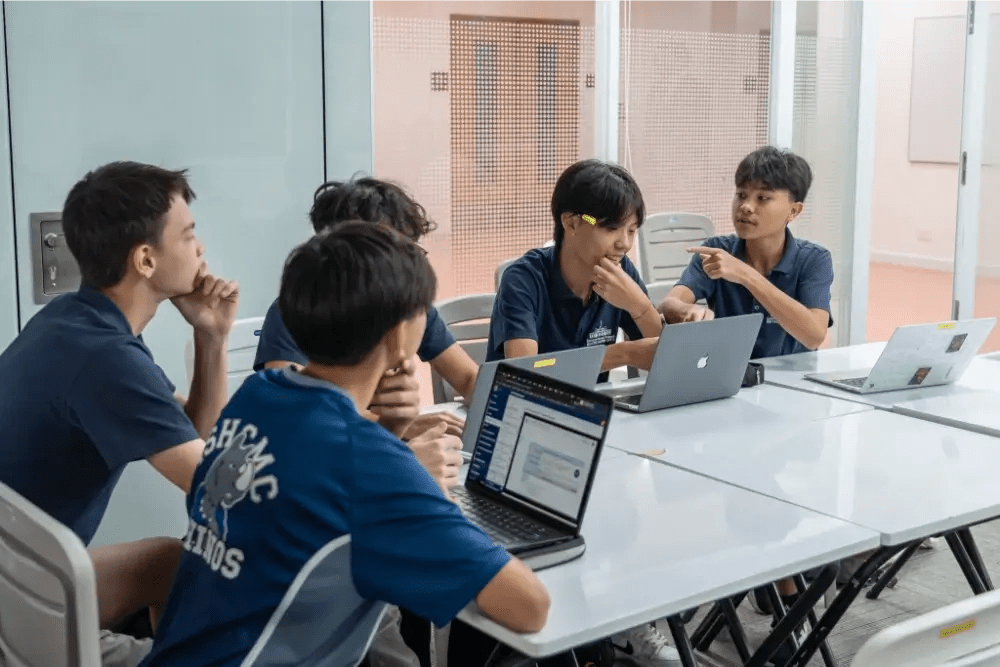
At ISHCMC, the IB Computer Science Program consists of a dynamic environment of accomplishment, exploration, and global connection. The program encourages and enables students to see technology as a solution to real-world issues. Led by experienced teachers and adequate infrastructure, students immerse themselves in computational thinking and develop critical, ethical, and autonomous research skills as required by universities and the job market.
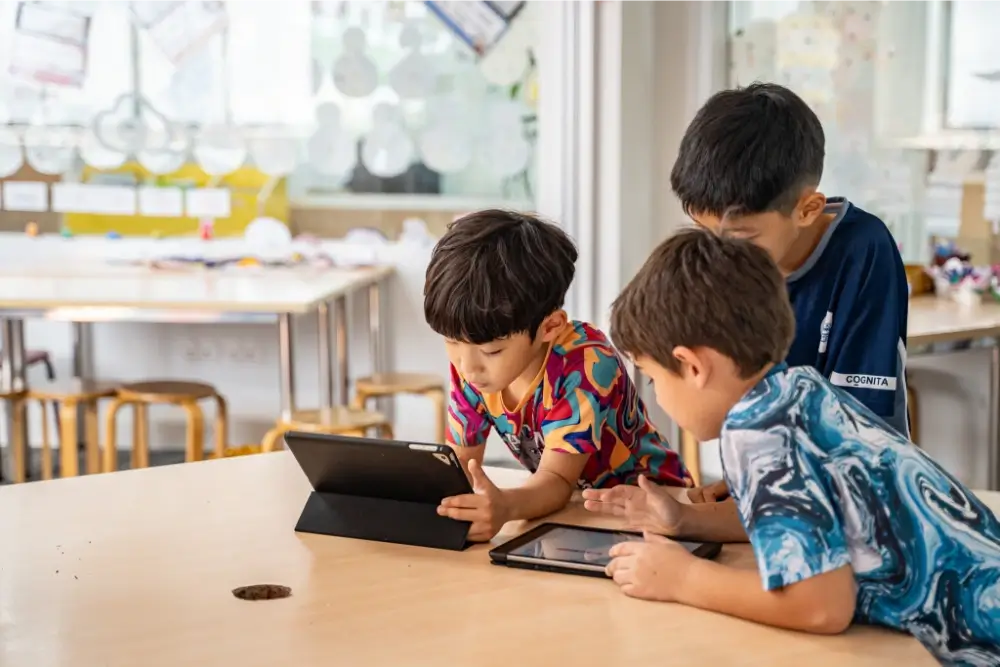
Beyond its academic walls, ISHCMC encourages innovation, collaboration, and interdisciplinary learning in a holistic approach to fostering not only professionals but also rounded individuals who are adaptable, reflective, and world-conscious.
Prepare your child for top universities and future-ready STEM careers. Discover how ISHCMC’s IB programmes can support academic ambition and long-term success. Apply to ISHCMC today
Frequently Asked Questions (FAQs)
- Do students need to purchase their own high-performance laptops for this course?
Generally, the curriculum does not require expensive, high-performance laptops. Standard computers can easily handle the programming languages and software needed for the syllabus. At ISHCMC, we make this process even easier for families. We equip students with 1:1 tablets or laptops, depending on their grade level. This approach guarantees that every learner has equal access to the right tools and integrates seamlessly with our high-tech classrooms and maker spaces.
- Does my child need to be excellent at Mathematics to succeed in IB Computer Science?
While Computer Science involves logic, it is classified as a Group 4 (Experimental Science) subject, not Mathematics. However, students who enjoy recognized patterns and logical problem-solving skills often found in math tend to thrive here. The course focuses more on computational thinking and system design than on complex mathematical calculations.
- Are there extracurricular clubs for students who want to go beyond the curriculum?
Absolutely. ISHCMC encourages students to apply their coding skills in real-world contexts through enrichment programs like Robotics and opportunities within our dedicated innovation labs and design studios. These activities allow students to experiment with hardware, compete in competitions, and collaborate on passion projects outside of regular class hours.