Essential Guide to the IB Biology Standard Level (SL) Curriculum
The IB biology SL curriculum offers a rigorous, balanced science education for students navigating the International Baccalaureate Diploma Programme. As a popular choice within the Experimental Sciences group, Standard Level Biology provides substantial academic depth without the extensive time commitment of Higher Level.
We will examine the syllabus content, assessment structure, and unique advantages your child gains by studying this subject at ISHCMC.
The Core Structure of the IB Biology SL Curriculum
The IB Biology SL curriculum is built upon four central themes and fundamental concepts that encourage students to think critically about the natural world. This framework ensures a cohesive understanding of biology rather than a fragmented collection of facts.
- Thematic Approach: The current curriculum, first assessed in 2025, organizes content around four broad themes: Unity and Change, Form and Function, Interaction and Interdependence, and Continuity and Change. This structure helps students link distinct biological processes.
- Key Concepts: The syllabus integrates overarching concepts such as Evolution, Equilibrium, and Energy. These concepts allow students to make meaningful connections between different biological systems and understand the “why” behind the “what.”
- Nature of Science: A distinctive component of the IB philosophy, “Nature of Science” encourages students to understand the scientific method, ethical considerations, and the limitations of scientific inquiry. It fosters critical thinking about how scientific knowledge is generated and validated.
- Hours Requirement: Standard Level requires a minimum of 150 teaching hours, compared to 240 hours for Higher Level. This difference makes the IB biology SL curriculum a manageable yet rigorous option for students who wish to pursue diverse interests across the diploma hexagon.
Key Topics and Syllabus Content in IB Biology SL
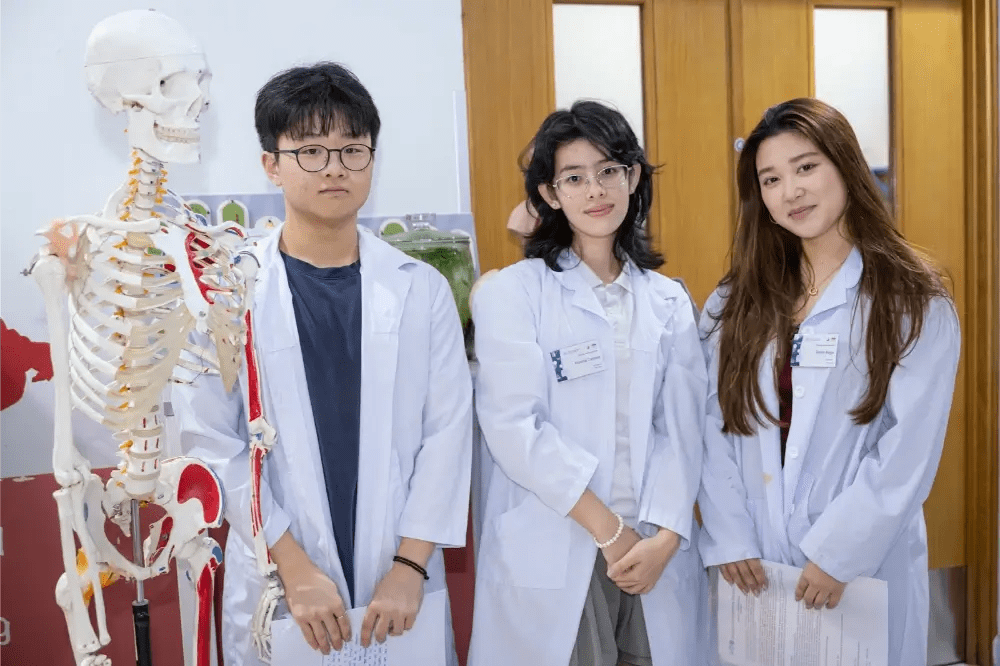
The syllabus covers a wide array of biological topics, from molecular biology to ecology, necessitating hands-on experimentation to solidify theoretical learning.
- Unity and Change: This theme explores the fundamental building blocks of life. Students investigate water potential, membrane structure, and the origin of cells. By understanding these foundational elements, students learn how life maintains continuity while adapting to environmental pressures.
- Form and Function: Here, the curriculum emphasizes the relationship between structure and function. Students study specialized tissues, gas exchange mechanisms in various organisms, and transport systems. This section highlights how physical forms evolve to support specific physiological tasks, a key principle in biology.
- Interaction and Interdependence: This area focuses on how organisms interact with each other and their environment. Topics include ecosystems, metabolic pathways such as photosynthesis and respiration, and the immune system. Students analyze the flow of energy and matter through biological systems.
- Continuity and Change: Often popular among students interested in medicine or genetics, this section covers genetics, inheritance, gene expression, and natural selection. It provides insight into how genetic information is passed on and how it drives the diversity of life.
The curriculum is not merely theoretical; it mandates a practical scheme of work that brings these concepts to life.
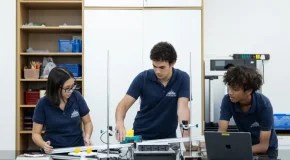
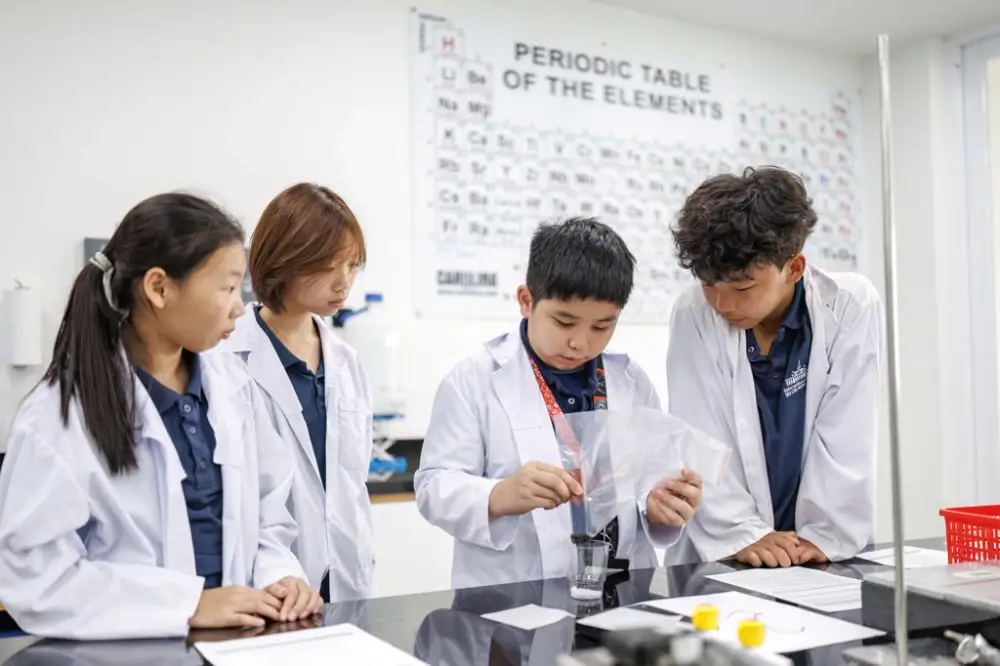
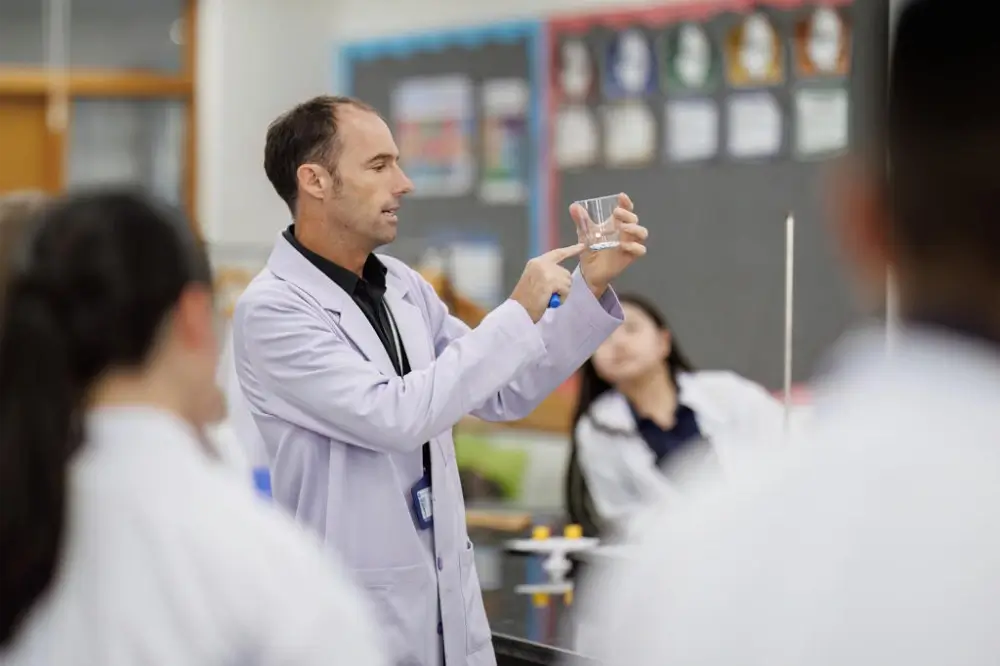
At ISHCMC, our specialist science labs and hands-on maker spaces allow students to conduct complex experiments. We ensure that students engage directly with the scientific methods they study, transforming abstract theories into tangible understanding.
Assessment Model for IB Biology SL
Students face a comprehensive assessment framework involving external exams and a self-directed scientific investigation that mirrors university-level research.
External Assessment Overview (2025 Syllabus)
The external assessment consists of two papers that test different skills and knowledge areas.
- Paper 1 (36%): This paper is divided into two parts taken in a single 1.5-hour sitting (55 marks total).
- Paper 1A: Multiple-choice questions assessing broad knowledge.
- Paper 1B: Data-based questions related to experimental work and the syllabus, testing analytical skills.
- Paper 2 (44%): A 1.5-hour exam (50 marks total) consisting of short-answer and extended-response questions.
- Section A: Data-based and short-answer questions.
- Section B: Extended-response questions that require students to synthesize knowledge and construct detailed arguments.
Internal Assessment (IA) (20%)
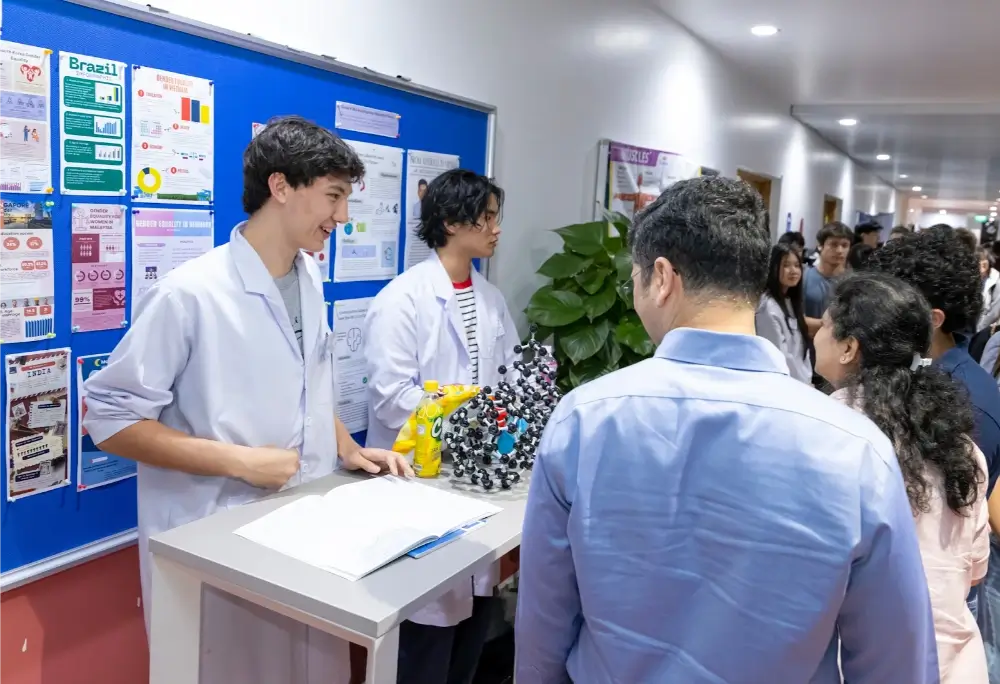
The Internal Assessment allows students to demonstrate their research skills independently.
- Scientific Investigation: Students undertake a single, individual investigation with a recommended 10 hours of work.
- Components: Students must design a research question, collect or model data, and produce a 3,000-word report.
- Assessment: Teachers assess these projects against four criteria: Research design, Data analysis, Conclusion, and Evaluation (24 marks total).
This assessment model prepares students for the rigors of university-style lab reports and independent research.
At ISHCMC, students benefit from 1:1 university counseling and experienced educators, 65% of whom hold Master’s degrees, who guide them through the demanding IA process. Our faculty ensures that students develop the resilience and analytical skills necessary for success.
Who Should Choose the IB Biology SL Curriculum?
The IB biology SL curriculum suits students who want to keep their university options open or need to balance a demanding workload in other Higher Level subjects.
This course is ideal for students interested in science who may need to allocate more time to other HL subjects. For example, a student taking HL Math and HL Economics might choose Biology SL to maintain a balanced diploma while still engaging with rigorous science.
Biology SL opens doors to various fields. Common pathways include Nursing, Psychology, Sports Science, Environmental Studies, or non-STEM degrees requiring a science component. While HL is often a prerequisite for pure Medicine or Veterinary Science, the IB Biology SL curriculum provides a strong scientific foundation for many other competitive degrees.
At ISHCMC, we help students choose pathways based on their strengths, interests, and aspirations. We ensure that the chosen curriculum aligns with their future goals, providing a personalized approach to academic planning.
=> You might be interested in: Essential Guide to The IB Biology HL Curriculum
Summary Table
| Feature | Standard Level (SL) | Higher Level (HL) |
| Learning Hours | 150 hours | 240 hours |
| Depth of Study | Core concepts only | Core concepts + Additional HL topics |
| Focus | Broad understanding | Deep analysis of complex processes |
| Target Audience | Students needing a science background | Students pursuing science/medicine degrees |
Experience Excellence in Science Education at ISHCMC
We provide a supportive and rigorous environment with world-class facilities that enable students to excel in the IB biology SL curriculum.
- Rigorous Environment: We nurture students from over 60 nationalities in an academically focused setting. Our IB Diploma average of 34 points in 2025 exceeded the global average of 30, reflecting our commitment to academic strength and inclusive excellence.
- World-Class Facilities: Our purpose-built spaces support every aspect of the curriculum. High-tech classrooms and design studios allow students to engage fully with the practical elements of the course, ensuring they have the tools required for modern scientific inquiry.
- University Outcomes: We connect the curriculum to tangible success. In 2025, 98% of our students secured offers from their top-choice universities. Our graduates attend prestigious institutions globally, including Harvard, Oxford, and Yale, often supported by strong IB scores across their subjects.
- Holistic Support: We prioritize student well-being through our POSISH framework (Positive ISHCMC). This program supports the social and emotional health of our students, helping them manage the stress of IB assessments and maintain a healthy balance between academic and personal life.
- Inclusive Excellence: As an inclusive school, we believe every student can succeed. Our strong counseling and Learning Support teams ensure that every student can access the curriculum and reach their potential, regardless of their starting point.
Shape a Successful Future with ISHCMC
The IB biology SL curriculum represents a challenging yet rewarding pathway that equips students with essential scientific knowledge and research capabilities.
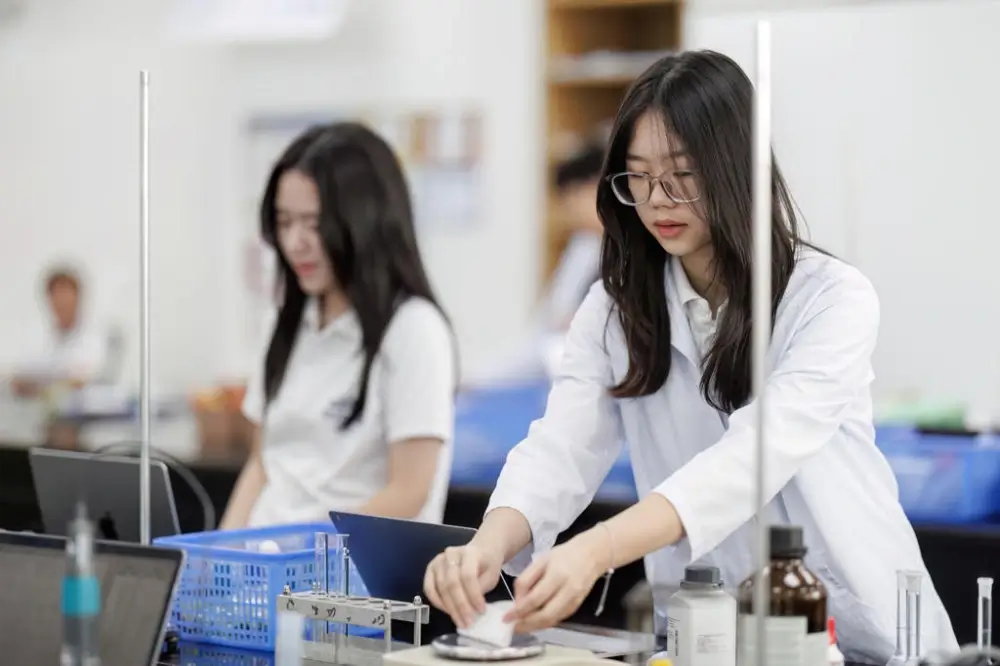
At ISHCMC, we combine expert instruction, modern facilities, and holistic support to ensure your child maximizes their potential in this rigorous program. We invite you to visit our campus to see our science labs in action and contact our Admissions team to begin your child’s application.