
Pre-IB curriculum explained: Building a strong foundation for the IB diploma
Entering the International Baccalaureate Diploma Program (IBDP) is a major achievement in a student’s educational life. Educators and universities around the world recognize the program for its excellent preparation for higher education. The IBDP can be challenging but rich in rewards. However, transitioning from a traditional secondary school to the IB Diploma Programme can be intimidating for most students. Thus, a Pre-IB curriculum is essential.
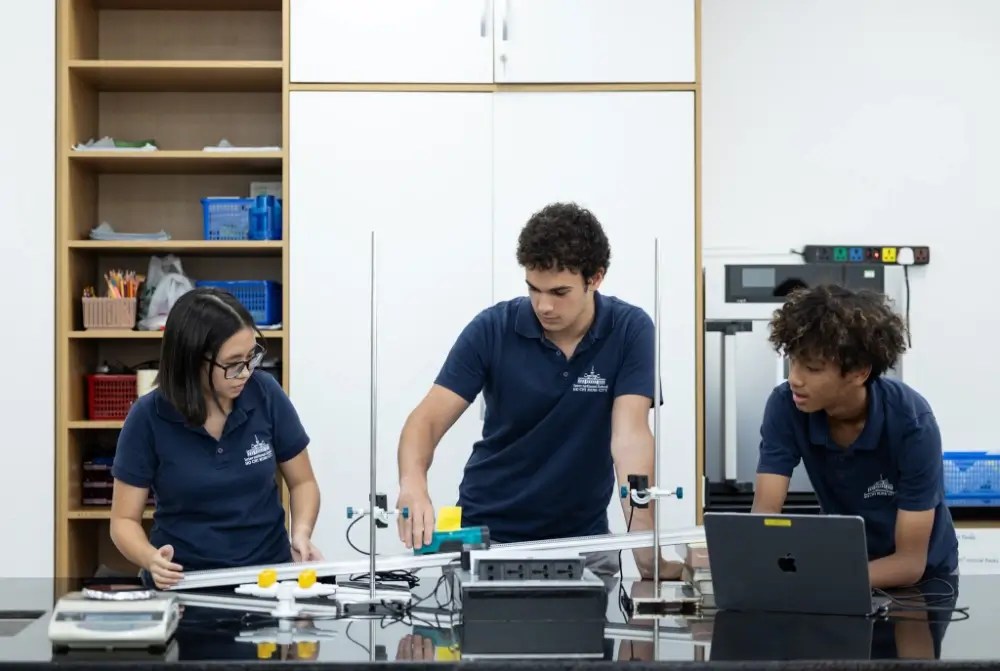
A pre-IB program bridges the gap between the lower secondary education and the two-year diploma program. This program provides students with the proper mindset and skill set. The focus on the fundamentals and essential skills enables students to survive and flourish in the IB Diploma Programme.
Understanding the pre-IB program
Schools generally offer Pre-IB to students aged 15 – 16 in Grade 10. This course primarily prepares students for the IB Diploma Program in Grades 11 and 12. Some schools offer students a one-year course called Pre-IB, while others incorporate these elements into their Middle Years Program (MYP).
Core goals of a pre-IB curriculum
The overall goal is to ensure a smooth transition into the IB system. A good and organized curriculum provides the framework for assessment, the various forms of assessment, and the higher level of academic rigor that students will experience. The focus shifts from learning content to learning as a process in itself. The goal is to empower students with the confidence they need to start the Diploma Program.
Who is the pre-IB program for?
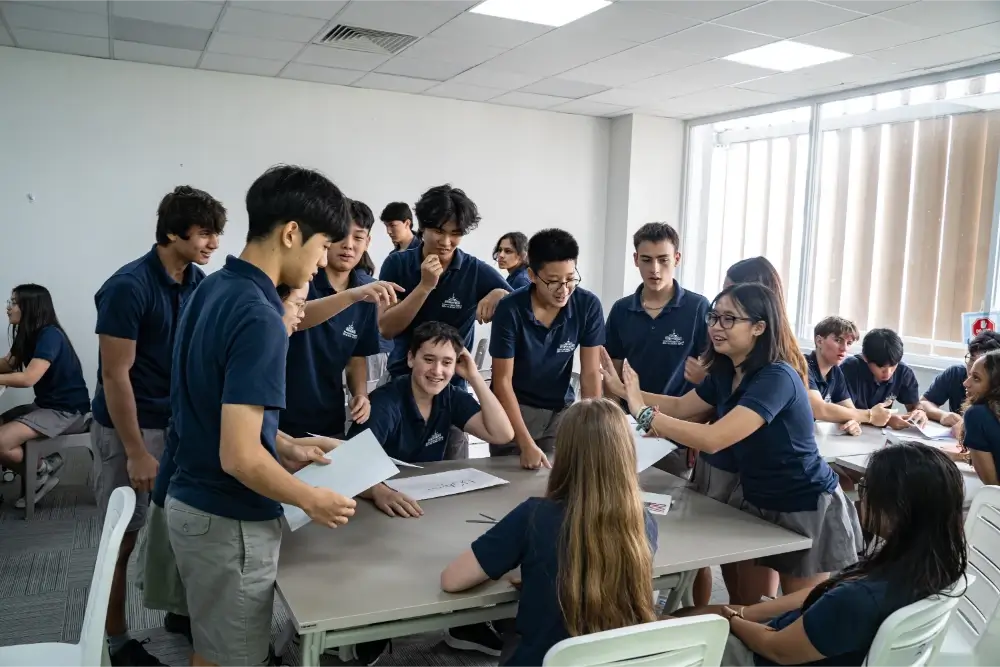
This curriculum is beneficial for two different sets of students. First, for those transferring from other forms of education, such as a national curriculum or IGCSE, to an IB curriculum, which is very broad and holistic. Second, for those transitioning from grade 9 to grade 10, to improve their foundation before entering the final years of high school. It gives all students an equal beginning, allowing them to have a foundation for success.
Key components of a strong pre-IB curriculum
A good Pre-IB curriculum involves more than early textbook introduction and is a strategic blend of challenging academic work and skills development aligned with the structure of the International Baccalaureate Diploma Program (IBDP).
Academic subject intensification
In this stage, the specialization of the subjects increases. The curriculum exposes students to core subjects such as Mathematics, Sciences, and English in greater depth. The learning outcomes move from being broad and general to specific and analytical. This helps in identifying strengths and weaknesses and makes sure that students have the necessary prerequisite knowledge to pursue Higher Level subjects in the later stages.
Development of core IB skills
The IBDP requires more than intelligence; it requires strong academic skills. A Pre-IB curriculum is intensely focused on how one can research, how one can write effectively, and how one can think critically. One gains experience in how one can structure an essay, how one can properly acknowledge sources, and how one can consider multiple perspectives. The Extended Essay (EE) and Theory of Knowledge (TOK) components require these exact skills and are among the most challenging parts of the IB Diploma for unprepared students.
Introduction to the IB learner profile and approaches to learning (ATL)
Outside the classroom, the IB program encourages an IB mindset. The program encourages students to live by the IB Learner Profile. Teachers and the curriculum encourage students to be open-minded, reflective, and principled. The curriculum includes Approaches to Learning (ATL) skills. This includes self-management, communication, and social skills. In the Pre-IB year, teaching time management and effective stress management techniques can sometimes be the determining factor in a student’s success.
Benefits of the pre-IB program
The time invested in a preparatory year provides a set of benefits that are valuable throughout the entire Diploma Programme and into higher education.
Smoother transition to the demanding IBDP
However, the amount of workload in Grade 11 compared to that in Grade 10 is considerable. Students who have Pre-IB training have less academic disruption. Students learn the value of independent learning and the nature of IB questions, and thus achieve a better work-life balance, which is often seen in students at the start of the IBDP program.
Higher likelihood of IB diploma success
Research shows that a well-prepared student scores a high final grade. The early filling of knowledge gaps and the development of a strong studying routine ensure a road to excellence. The greater the total grade in the IBDP, the better the chances of being accepted by top-ranked institutions globally. The background work completed within a year enables one to work for maximum marks rather than just a pass grade.
Informed decision-making for IB subject choices
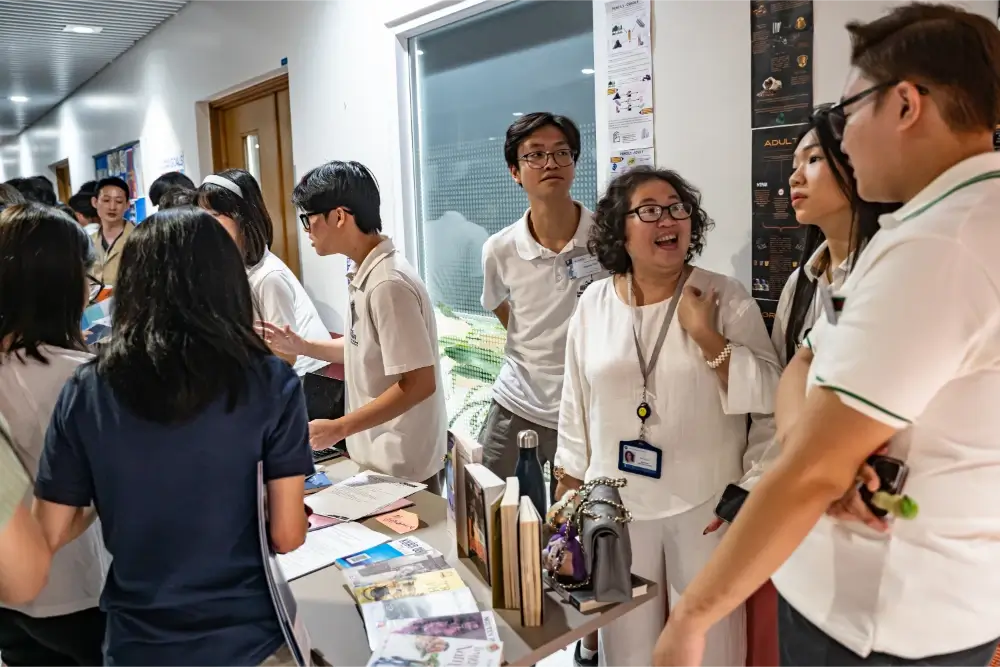
One of the main issues that Grade 10 students have to deal with regards choosing six appropriate subjects to take in their Diploma. The Pre-IB curriculum allows students to analyze a variety of subjects before committing to two years of study. Students might find they are interested in Economics or realize that Visual Arts are more challenging than they initially thought.
Pre-IB program at ISHCMC

At International School Ho Chi Minh City, we believe that preparation is key to unleashing the full potential of a student. Our strategy for grade 10 provides a solid foundation for our students in the Diploma Program. We provide our students with a well-rounded curriculum that helps in developing critical thinking skills, research skills, and emotional intelligence to deal with upcoming challenges.
The students of ISHCMC have the advantage of being in an environment where the teachers act as their guides, helping them navigate the subtleties of the IB standards. At ISHCMC, we incorporate the IB Learner Profile in our learning to ensure that our students acquire the necessary knowledge and skills to be global citizens.
For more details on how we can ensure your child is prepared for success, please refer to our website at here.
Frequently Asked Questions (FAQs)
- Will I select my final IB subjects during this year?
Not immediately. Grade 10 is a time for exploration. You will work with our university counselors who begin supporting students in Grade 9 to identify your strengths and interests, ensuring you choose the best subject package for your future.
- Does this year count towards my university application?
Yes. Universities typically look at your academic transcripts from Grades 9 through 12. While the IB Diploma score is crucial, maintaining strong grades in Grade 10 is important for your overall High School Diploma GPA.
- Is there still time for sports and clubs during this prep year?
Absolutely. We believe in a holistic approach. Staying active in sports, arts, and service projects helps reduce stress and builds the healthy habits required for the “CAS” (Creativity, Activity, Service) component of the IB Diploma.