

Microlearning: Small Steps, Big Learning at ISHCMC
Around the world, schools and companies are rethinking how people learn and master information. One concept that has gained traction over the last few years is microlearning, the idea that short, focused bursts of learning can lead to lasting understanding and skill development. While ISHCMC doesn’t formally use “microlearning” as a structured program per se, many of our existing practices already align with its spirit, especially in how we design learning experiences through the IB Primary Years Programme (PYP) Units of Inquiry and the Diploma Programme’s Theory of Knowledge (TOK) course.
What Is Microlearning?
At its core, microlearning breaks down information into small, manageable pieces that can be understood quickly, often within a few minutes. Instead of long lectures or large reading assignments, learners engage with short, targeted activities that focus on one concept, one skill, or one question at a time.
However, it’s not about making learning simpler; it’s about making the learning experience more responsive to how our brains actually work. By spacing learning moments and connecting them to prior knowledge, microlearning leverages cognitive science’s spacing effect and retrieval practice, two key strategies known to boost memory and long-term understanding and retention.
Where and Why Microlearning Is Growing
Microlearning has exploded in popularity in workplaces, higher education, and online learning platforms.
Companies like Apple, Google, and Deloitte use it to train employees to acquire the necessary knowledge and develop digital skills, leadership, and an understanding of compliance.
Platforms like Khan Academy, Duolingo, and Coursera use it to support self-paced learning. Even medical schools and professional training programs have adopted microlearning to help learners master complex topics through consistent, manageable segments.
Why are so many organizations doing this?
Because the world has changed. We’re all managing shorter attention spans, information overload, and fast-paced environments. Microlearning meets learners where they are, on their phones, tablets, and laptops, and helps them build mastery step by step, often through anytime, anywhere learning.
In schools, this approach supports personalized learning, allowing students to review and reinforce concepts they find challenging and move ahead when ready. It’s also highly adaptable to the blended learning environments many schools now use, combining digital and in-person learning.
The Benefits of Microlearning
The benefits of microlearning go beyond its short format. Research by people like Ahmed Mostrady shows that it can be:
- More engaging – Bite-sized lessons hold attention better and promote active participation.
- Easier to remember – Learning small chunks over time leads to better long-term retention and mastery.
- Flexible and accessible – Students can learn anywhere, anytime, reinforcing classroom concepts.
- Self-directed – Learners take ownership by choosing when and how to engage, as well as what digital tools they use to help them understand concepts.
- Adaptable – Teachers can use microlearning to target gaps in understanding or extend learning for students who are ready to go further. Well-designed microlearning opportunities incorporate Universal Design for Learning.
Ultimately, microlearning helps students become lifelong learners, people who can learn, unlearn, and relearn efficiently in a world that’s always changing.

How Microlearning Connects to ISHCMC’s IB Approach
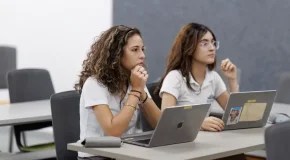
Although ISHCMC hasn’t officially introduced “microlearning modules,” key elements of this philosophy are being designed into our IB programmes. Additionally, our embracing of technology provides our students with the digital tools to learn, synthesize, connect, and create meaning. Two great examples of microlearning principles in action are through Theory of Knowledge (TOK) in the IB Diploma Programme and Units of Inquiry (UOI) in the PYP.
Theory of Knowledge (TOK): Building Understanding One Question at a Time
TOK challenges students to think critically about how they know what they know. Instead of memorizing facts, students explore provocations such as:
- How do language and emotion influence our understanding of truth?
- Can visual images convey knowledge better than words?
Each TOK class or journal entry functions almost like a microlearning moment, focused, reflective, and linked to a broader conceptual framework. Students revisit ideas frequently, drawing connections between disciplines, media, and perspectives. This incremental, question-driven process mirrors the way microlearning builds cumulative understanding.
Units of Inquiry (UOI): Layered Learning in the PYP
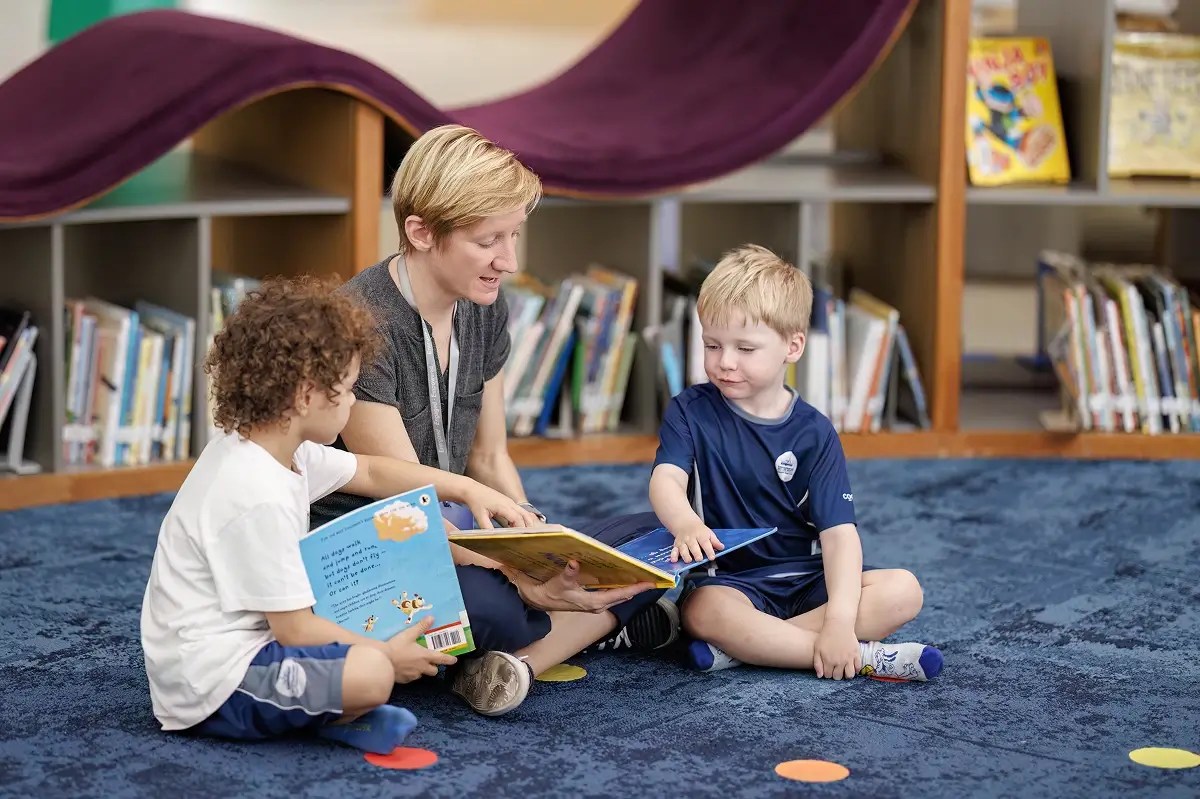
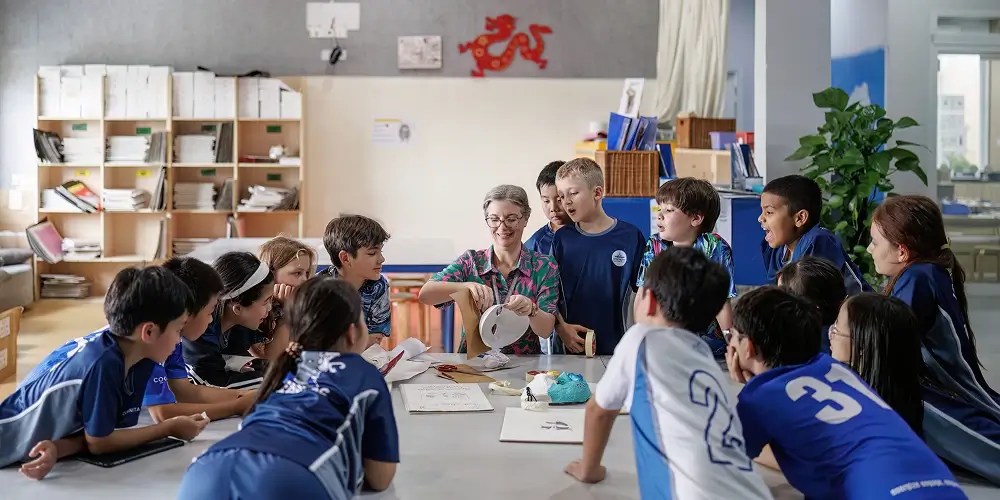
In our PYP classrooms, Units of Inquiry also embody the microlearning mindset. Students don’t just absorb content; they investigate central ideas through short cycles of questioning, research, reflection, and action. For example, in a unit about sustainability, students might:
- Explore one key question each day (“Where does our waste go?”)
- Watch a brief video or perform a short experiment
- Reflect on their learning through a quick journal or sketch
- Showcase their understanding through a project
Each of these small learning opportunities reinforces previous understanding and builds toward deeper conceptual knowledge and critical thinking. Teachers at ISHCMC intentionally design these moments to develop success skills, like critical thinking, communication, and research, that build over time.
Microlearning and the Future of Education at ISHCMC
As ISHCMC continues to innovate, microlearning offers exciting possibilities for how we design learning units, classroom lessons, reflection activities, and digital resources. Imagine students using short learning videos to preview or review concepts, engaging in quick digital reflections to demonstrate understanding, or creating peer-led “micro lessons” that teach others in two minutes or less.
These possibilities connect beautifully with our mission to inspire curiosity, creativity, and lifelong learning. Microlearning doesn’t replace inquiry; it enhances it. It can help students see that big ideas often start with small, intentional moments of learning.
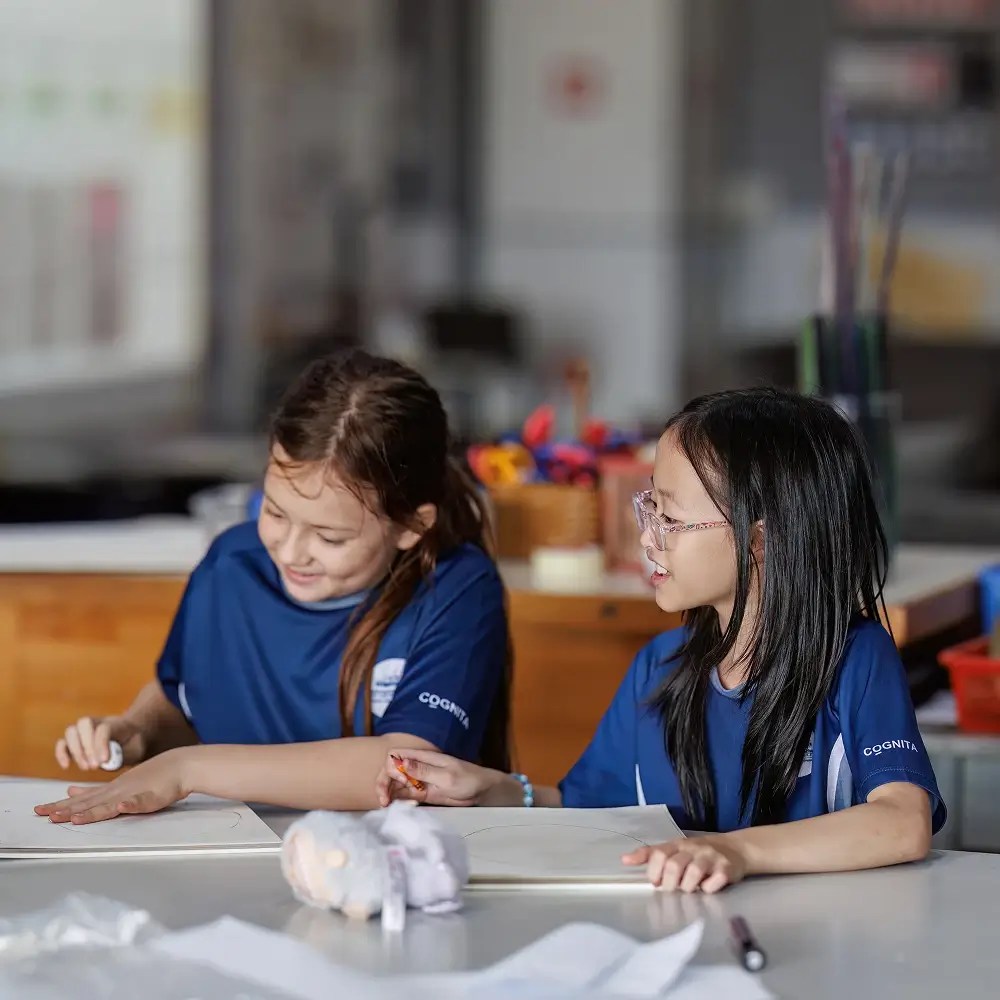
Microlearning reflects a growing awareness that learning doesn’t need to be long to be meaningful. Whether it’s a TOK discussion on bias, a 5-minute reflection in a UOI, or a short digital challenge that deepens understanding, ISHCMC is exploring ways to use microlearning principles to help every student feel engaged, energized, and empowered.
Small steps really can make a big difference.
FAQs About Microlearning
What is the difference between microlearning and traditional learning?
Traditional learning often covers large chunks of content in one sitting. Microlearning breaks that down into short, focused learning moments for better retention and flexibility.
Can microlearning be used in all subjects?
Yes. Microlearning strategies like digital reflections, quick challenges, and question-led investigations can support any subject, especially in inquiry-based models like the IB.
How does ISHCMC integrate microlearning?
ISHCMC incorporates microlearning principles through its TOK classes, PYP Units of Inquiry, and use of digital tools to support reflective, student-centered learning.
Is microlearning only for digital learning?
Not at all. While it often uses tech, microlearning can be hands-on, discussion-based, or experiential. The key is short, focused learning with a clear objective.