Unlock potential with IB sports and exercise science at ISHCMC
As the world of education changes, the emphasis on both hard learning and the welfare of learners becomes more rigorous. The topic of the IB course, Sports and Exercise Science, combines science, health, and practical application and engages one to ponder about the body and its processes as well as the effects of exercise on it. Their practical application in the world of sports an
What is the IB sports, exercise, and health science (SEHS) course?
The IB Sports, Exercise and Health Science (SEHS) course combines biology, physics, and health science to study how the body moves and adapts through exercise, training, and environmental factors.
They examine how body systems function and find methods to move their bodies effectively while also learning about health-related lifestyle options. By offering a balance of theoretical components and practical experimentation, SEHS promotes exploration and critical thinking and provides students with excellent analytical acumen and scientifically knowledgeable minds for their future pursuits.
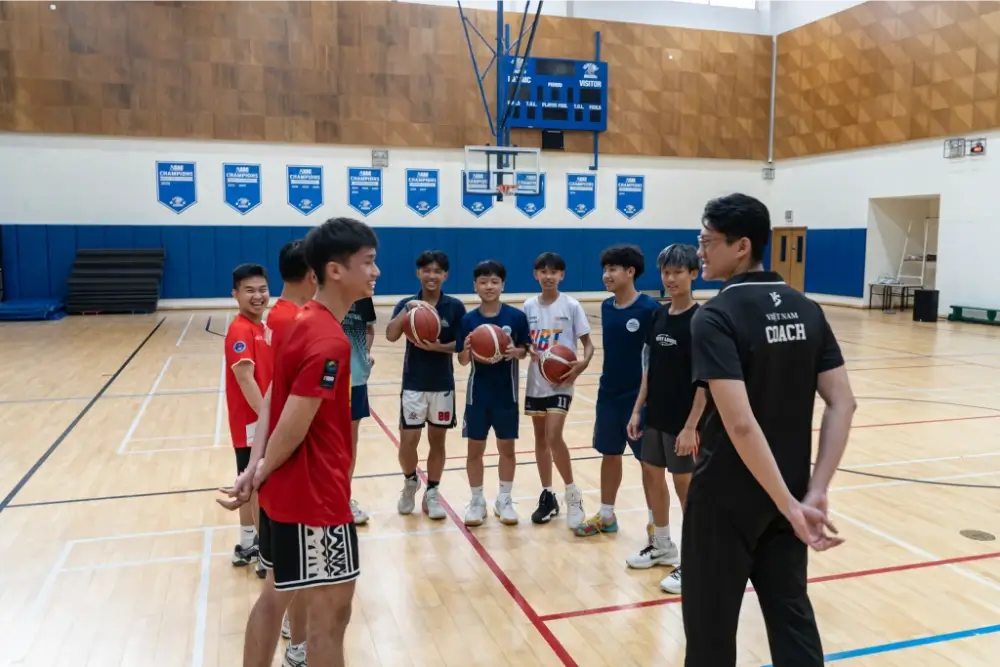
Core topics and scientific focus
The program investigates the science of physical activity through the following core topics:
- Anatomy & Physiology: Examining body parts and the body’s functions during exercise.
- Biomechanics: Analyzing muscle push, joint movement, and the physics of exercise.
- Energy Systems: Understanding the body’s energy production and use.
- Skill Acquisition: Investigating how we learn physical skills through psychology and the brain.
The curriculum connects science to exercise performance. Students will discover how the body works by examining muscle movement, joint movement, and the energy that drives exercise. The course also includes practical topics such as nutrition, injury prevention, and training. This helps students comprehend the biology of exercise and provides a foundation for a healthy lifestyle.
The IB approach: Inquiry and real-world application
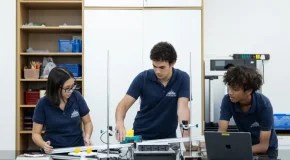
As the IB ethos recommends, learning commences from inquiring and investigating. Students design experiments and analyze findings in realistic contexts, such as studying training practices and analyzing outcomes. This inquiry approach ensures that acquired knowledge is applied and doesn’t only focus on learning.
Assessment structure: How you are evaluated
Evaluation at IB Sports and Exercise Science reflects the balanced approach to learning adopted by this curriculum. Evaluation occurs internally and externally, and students are assessed with regard to their understanding of scientific concepts and their ability to apply those concepts using critical thinking.
These externals involve some form of written tests that rely on assessments of knowledge, analysis, and evaluation across the curriculum. The questions might involve presenting data interpretations, explanations of physiological explanations, or using theory to respond to sports situations. This method prepares students to respond to university testing, where reasoning takes precedence over memorization.
Internal assessment is also critical. Students conduct a scientific investigation: they develop a research question, design a method, collect and analyze data, and evaluate results. This process builds research skills, data literacy, and academic writing essential for higher education.
The assessment structure rewards consistency, curiosity, and analytical depth. Students who engage actively with practical work and reflect critically on their learning tend to perform strongly across all components.
The unique value of IB sports science for student development
In addition to what occurs within a class and as part of their curriculum, IB Sports, Health, and Exercise Science also promotes personal development. The course encourages a well-rounded perspective with regard to health and performance.
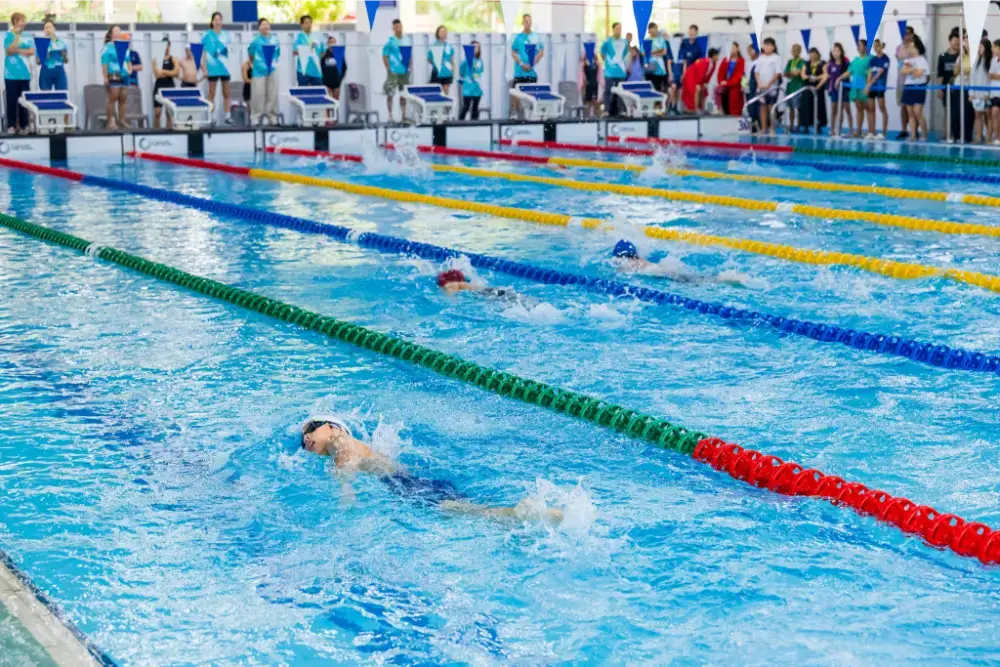
Beyond physical fitness: Fostering holistic well-being
The course challenges and encourages students to look at health in terms of a combination of physical, mental, and social elements. The concepts of stress, relaxation, and everyday habits give students a clearer idea about maintaining health. This is also in line with what IB believes in teaching a person and not a bright student in a classroom.
Real-world relevance and future pathways
This course will help students make informed decisions regarding health and fitness concerns and allow them to better understand public health messages. The course is academically sound and develops a strong foundation for anyone wishing to further pursue courses in the fields of sports science, physiotherapy, medicine, psychology, nutrition, and other related fields.
Building a global mindset through sports
Sport is a universal language. Through a case study approach that incorporates various points of view from around the world, a class can witness how culture, environment, and ethics come into play concerning how people physically exercise around the world.
How IB sports and exercise science complements a world-class education
As an elective course within the IB Diploma Programme, IB Sports and Exercise Science supports a pupil to receive education in a holistic way. It complements the IB’s learner profile and prepares students for both academic achievement and personal fulfillment.
Enhancing the IB learner profile
This course naturally inculcates qualities such as searching for the truth, judgment, and reflective study technique. Students learn to question assumptions, assess evidence, and think about the morality of research on people. These ways of thinking stretch beyond the walls of the classroom and provide lifelong learning.
Strengthening university applications
Universities value students who combine deep academic knowledge with hands-on research. By studying Sports and Exercise Science, students merge theory with real-world practice to critically analyze evidence. This practical, inquiry-based approach builds the essential skills needed for competitive admissions. At ISHCMC, the strong counselling program has driven exceptional outcomes, with 98% of students receiving offers from their top-choice universities and the Class of 2025 earning $56 million USD in scholarships.
Integration with technology and innovation (EdTech)
Modern sports science relies heavily on technology to track data and analyze movement. At ISHCMC, students don’t just read about this; they practice it. Our advanced facilities and one-to-one device program create an ideal environment for students to explore these concepts and analyze real-world data. This hands-on experience builds the technical confidence needed for university, using high-tech tools to turn complex theories into deep, practical understanding.
Exploring your child’s potential at ISHCMC
At ISHCMC, learning goes beyond subjects in the curriculum; it also takes place in the environment. The IB curriculum focuses on curiosity, student well-being, and academic honesty, in addition to rigorous subjects such as Sports and Exercise Science.
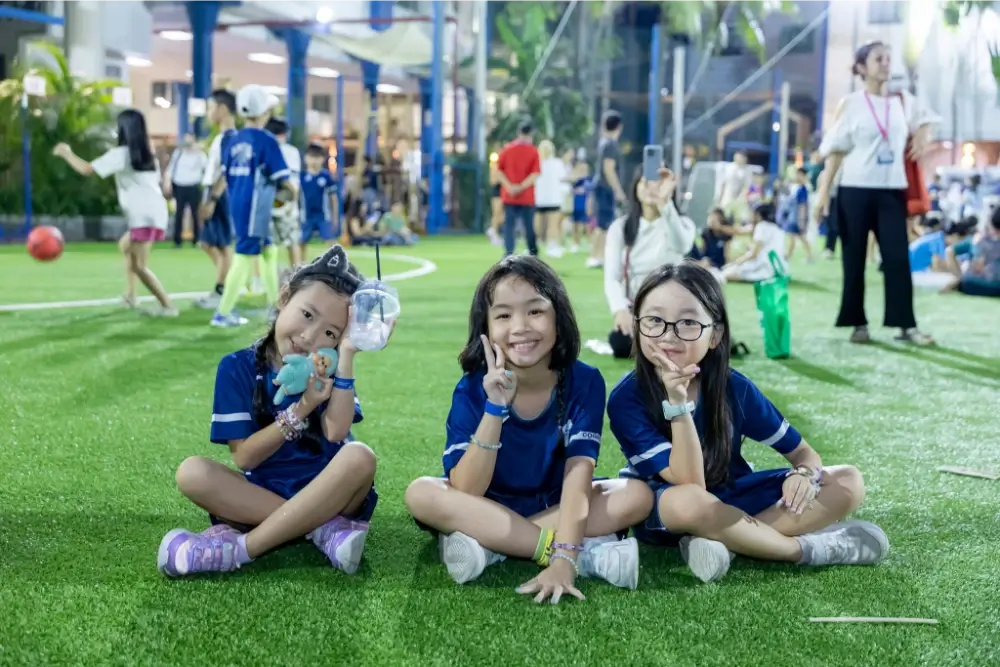
IB teachers at ISHCMC are highly experienced, with well-resourced classrooms that foster excellence and balance. School culture promotes critical thinking, developing resilience, and a strong understanding of health and performance that equips them for life after graduation. By integrating IB values within a global community, ISHCMC arms students with the right tools to help them identify their strengths, track their passions, and prepare them for college life or life in general. Apply to ISHCMC today
Frequently Asked Questions (FAQs)
1. Does my child need to be a talented athlete to take the IB SEHS course?
No, athletic ability is not required. This is a science course, not a physical education class. The focus is on analyzing the mechanics of the human body, physiology, and data. Students need a curiosity about science and biology, not necessarily a background in competitive sports.
2. Is SEHS accepted by universities as a “lab science” for medical or health degrees?
Yes. The IB categorizes SEHS as a Group 4 Experimental Science, giving it the same academic weight as Biology, Chemistry, or Physics. It is highly valued by universities for degrees in physiotherapy, nutrition, sports medicine, and general health sciences.
3. What is the main difference between Standard Level (SL) and Higher Level (HL) in this course?
Both levels cover the core topics like anatomy and energy systems. However, Higher Level (HL) students cover additional advanced topics (such as genetics and athletic performance) and are required to complete more hours of practical lab work and investigation compared to Standard Level students.