


How to Choose a College Major with ISHCMC’s Future Pathways Program
A central belief at ISHCMC is that all of our students are educated to become lifelong learners and active, responsible citizens who are fully prepared to thrive in a rapidly evolving world. Students are empowered, from our Early Years Program to the IB Diploma Programme, to have a voice, choice, and ownership of their learning.
Written by:
- Dr Hana Adams, PsyD., MA, LMFT, Director of Student Support Services
- Ms. Michelle Lockwood, Future Pathways Counselor
- Ms. Tram Anh Do, Future Pathways Counselor
Introducing the Future Pathways Program
Future Pathways Counseling program is structured and specifically designed to help our students succeed in their personal path in high school and beyond. Through intentionally guided lessons on reflection and research, each student plans their future goals with the support of our Future Pathways Counselors (FPCs). The FPCs take a holistic approach to students’ futures by strongly supporting the concept of ‘best fit’ for each student as they plan their future pathway after graduation.
Staying Current Through Global Expertise
FPCs participate in many different professional experiences that equip them with the most up-to-date and necessary university resources and information to support our students, parents, and staff in navigating the steps of post-secondary life.
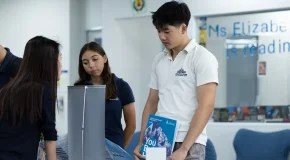
Counselors participate in University Fly-Ins, where they gain firsthand knowledge of campuses, receive detailed information on academic programs and admissions processes directly from admissions staff, and establish personal connections that facilitate easier communication and collaboration.
FPCs also attend internationally recognized conferences led by the International Association for College Admission Counseling (IACAC) or the Council of International Schools (CIS) to gain insight into topics such as admissions to liberal arts colleges, updated Visa policies for international students, and the use of AI in personal statements. These hands-on elements help our students envision themselves at the school and support our holistic approach, which is reflected in the acronym CLASSY.
Choosing a Major with the CLASSY Framework
CLASSY stands for: Cost, Location, Academics, Supports, Student Life, and YOU. Students embark on an exploration of themselves and their future careers through extensive research.

Throughout the year, FPCs host numerous workshops for staff and parents. Staff receive workshops on the importance of personalized letters of recommendation and how to support students during application season. Parent workshops on topics such as university application systems and supporting students with stress and time management are provided to cement partnerships and collaboration.
FPCs also facilitate transition workshops for families to plan for university life. Parents are encouraged to reach out to our FPCs with any questions or concerns they have in relation to their child’s academic and future journey.
Real-World Exposure Through University Visits
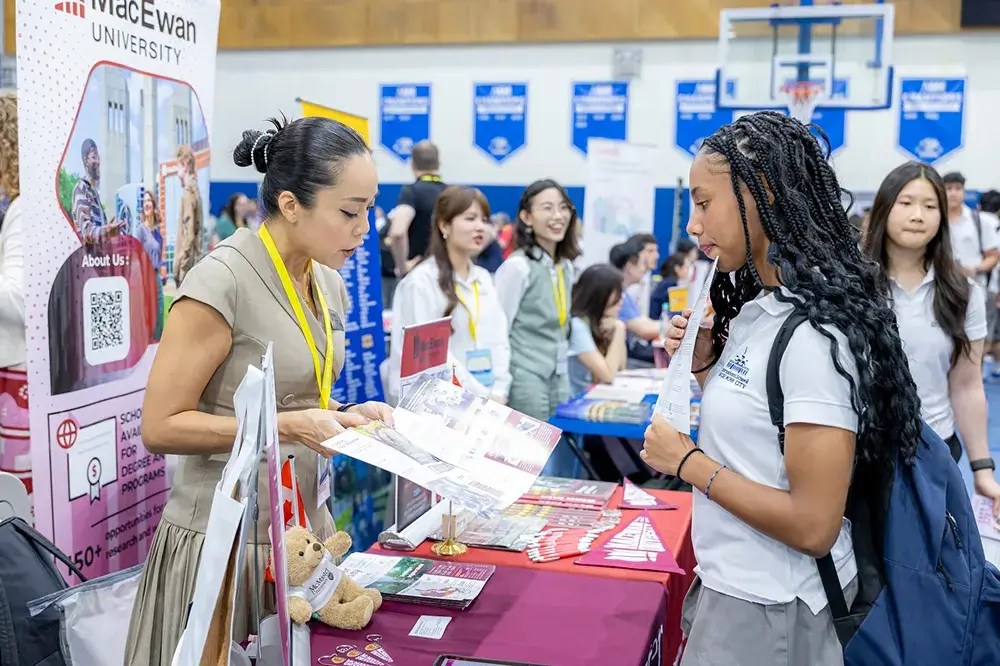
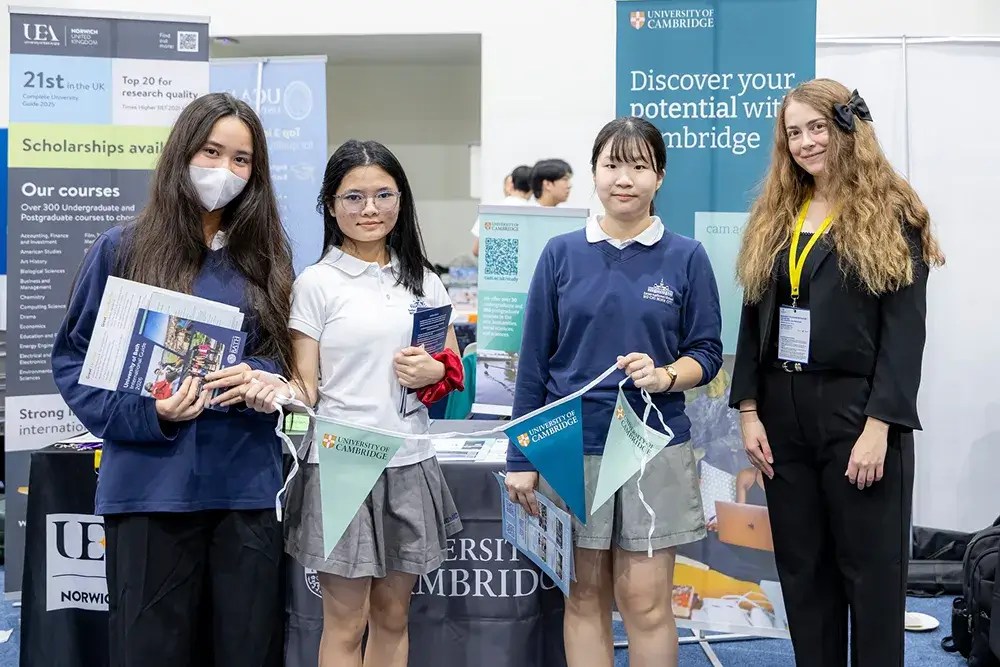
FPCs also facilitate nearly 100 universities visiting the school throughout the academic year, giving our students the chance to meet representatives directly. Professors from leading universities such as Monash University, UC Dublin, or SCAD also visit to lead academic workshops in a variety of subjects, offering students hands-on experience and insight into university-level learning.
Guidance begins in Grade 10
Grade 10 is the final year of the Middle Years Programme (MYP). Through the MYP, our students develop their personal understanding of the world and a sense of responsibility for their community. Students engage in collaborative learning experiences and a long-term Personal Project where they identify and apply their knowledge and skills.
FPCs provide personal support and guidance at this critical stage, enabling students to develop their skills in critical thinking, research, and self-management, ultimately determining their potential career path.
FPCs support the school’s dedicated lessons with students to explore their identity in relation to their future pathways. Students are asked to consider what they enjoy doing, what they are good at, what they can contribute to others, and what the world needs. By reading reports from the World Economic Forum, they consider global job trends and the skill sets required for the future.
This year, our students reviewed the Future Jobs Report 2025, which brings together the perspectives of over 1,000 leading global employers that collectively represent more than 14 million workers across 22 industry clusters and 55 economies worldwide. The report examines how macro trends impact jobs and skills, as well as the workforce transformation strategies employers plan to undertake across the 2025-2030 timeframe.
Students are encouraged to think
- “Where do you imagine yourself in 10 years?”
- “What would happen for this image to come true?”
Students also discuss “Ikigai” in lessons. Ikagai is a Japanese term that roughly translates to “reason for being.” It is about finding joy, fulfillment, and balance in everyday life. Students are asked to look at the balance of four components: what you love, what you’re good at, what you can give, and what the world needs to think about their future aspirations.
Each student also completes the Centre for Evaluation and Monitoring (CEM) IBE Assessment, an adaptive assessment designed for International Baccalaureate (IB) students. The CEM IBE provides indicators of likely future exam performance for the IB Diploma, allowing students to make well-informed course selections as they enter the DP. They also meet with the IBDP Coordinator to determine the best academic fit for their courses.
Our counselors guide students with purpose as they begin discovering their strengths, interests, and the meaningful impact they want to make in the world.
Deep exploration in Grade 11
Students have 9-10 lessons with their Future Pathways counselors from August to May.
These lessons include reflecting on their academic and personal achievements so far in high school.
The Junior Project: A Signature ISHCMC Experience
Grade 11 students embark on a post-secondary plan titled the Junior Project at the beginning of the academic year. The Junior Project requires them to reflect on predetermined components essential to the university and career counseling process. Students create an organized system for their deadlines, documents, and collection of ideas. They practice integrity and authenticity as they determine what works best for them.
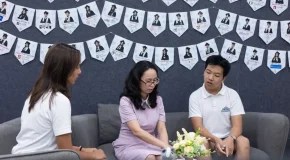
The FPCs help students to identify options based on their criteria, interests, and fit. The project includes reflections on their “best fit” criteria, guided by CLASSY. It culminates in the student delivering a presentation on their profile of five universities they plan to attend at the end of Grade 11, in a one-on-one meeting with their parents and their FPC.
Students also gain a comprehensive understanding of global university systems, empowering them to make informed decisions that reflect their strengths and aspirations. Each student receives individual feedback during their one-on-one Junior Project session.
The FPCs provide grade-level presentations on the top college & university destinations to which our students typically apply. These include the United States, Canada, Australia, the United Kingdom, the Netherlands, other European countries, Singapore, Hong Kong, and more. Students can compare these systems and learn about the various requirements, including diplomas, test scores, extracurricular activities, personal statements, teacher recommendations, and other relevant criteria.
Students begin using Maia Learning to research universities. They can search by country, by major, or by using a variety of filters. By exploring different majors, students can understand the admission requirements and determine whether they align with their current academic profile. Each student creates a university list with a balanced range of Reach, Match, and Likely schools.
Students also take three academic and career interest surveys, the Interest Profiler, Work Values, and Personality assessments through Maia Learning. They reflect on these results to align their values, strengths, goals, and preferences with their future pathways. For most students, this leads to university planning, but a small number prepare for alternatives such as gap years, military service, internships, or other pathways.
These tools enable students to make informed and meaningful decisions.
The completion of the Junior Project is a milestone that nurtures confidence and independence, allowing students to take ownership of their future planning. At the end of the year, after all Junior Projects are complete, students finalize a plan for the summer. This may include working on their Extended Essay, Internal Assessments, internships, or taking standardized tests if required by their universities.
Global University Preparation in Grade 12
Students work closely with their FPC through both group and one-on-one meetings. They review their transcripts and identify any potential errors.
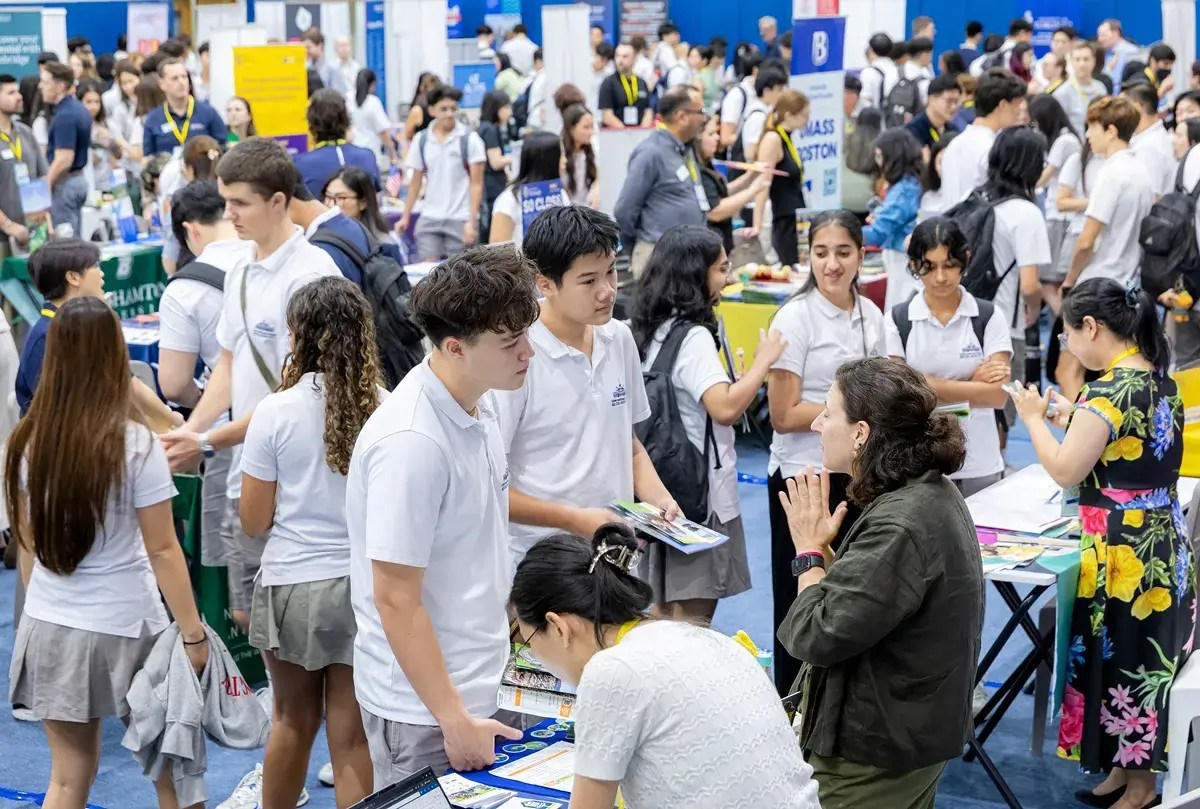
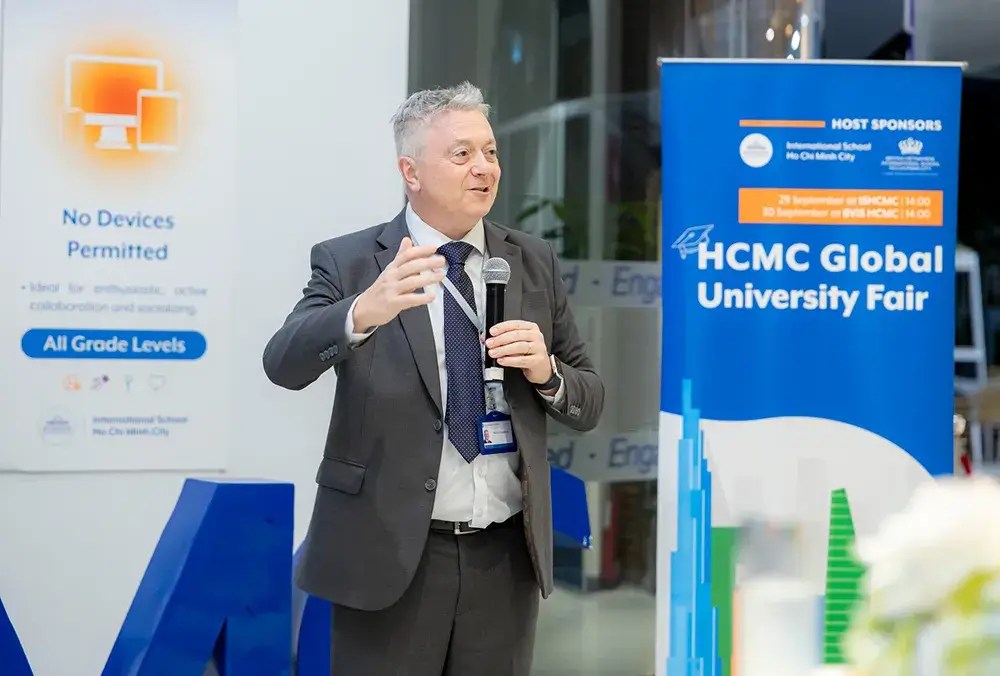
Students in Grades 10, 11, and 12 also attend the Global University Fair, which hosts approximately 200 universities from around the world. This event offers students the chance to speak directly with university representatives and ask questions about admissions requirements, campus life, majors, and other relevant topics. This exposure provides ISHCMC students with direct insight into international admissions, enabling them to make informed and confident choices.
From October onward, Grade 12 students are very busy with university applications, as deadlines stretch from October through the end of the year. Throughout this process, counselors support students at every step, advising them on applications, answering questions, reviewing personal statements and personal insight questions, arranging letters of recommendation, organizing transcripts, and ensuring all required documents are sent to universities.
FPCs additionally hold sessions guiding students through major application platforms such as UCAS and the Common App.
Students are limited to 12 applications to focus specifically on their best-fit universities. With enrollment in over 20 countries worldwide, 98% of our graduating class is university-bound upon graduation.
FPCs also provide post-graduation support for those who require continued guidance and advising, including assistance with documentation submissions, school transfers, and other related matters.
The Future Pathways Program ensures every ISHCMC student moves forward with purpose, clarity, and confidence, ready to take on the world!
FAQs Choosing a College Major
When should students start thinking about college majors?
At ISHCMC International School, this begins as early as Grade 10 through reflection, research, and counselor support.
What tools do students use to explore majors?
Students use Maia Learning, career interest assessments, the CEM IBE, and global trend reports like the Future Jobs Report.
What if a student isn’t sure what they want to study?
The Future Pathways team helps students explore interests and values, and compare university programs to find a path that fits, even if it evolves.
Authors:
Dr Hana Adams, PsyD., MA, LMFT, Director of Student Support Services
Ms. Michelle Lockwood, Future Pathways Counselor
Ms. Tram Anh Do, Future Pathways Counselor