
Best Extracurricular Activities for 8-Year-Olds to Try Now
Eight is a remarkable age. Children at this stage are curious, energetic, and just beginning to develop real preferences about what they love to do. It is the perfect window for parents to introduce structured activities that go beyond the classroom.
Whether your child gravitates toward sports, music, or technology, the right extracurricular activity can shape their confidence, social skills, and long-term development. This guide walks you through the best options available, both at home and at school.
Why Age 8 Is a Great Time to Start Extracurricular Activities
By age 8, children have developed enough focus and emotional maturity to commit to structured activities and follow instructions from coaches or instructors.
Research consistently shows that children who engage in extracurriculars during primary school years demonstrate:
- Higher self-esteem and greater resilience
- Stronger social skills and ability to work in groups
- Better performance and engagement in academic settings
At this stage, the brain is also highly receptive to learning new motor patterns, languages, and creative skills. Starting early gives children more time to discover what genuinely excites them, rather than feeling pressured to perform or specialize too soon.
Most Popular Types of Extracurricular Activities for 8-Year-Olds at home
Not every enriching activity requires a formal program or school enrollment. Many of the most impactful extracurriculars for 8-year-olds can happen right at home or in the local community — offering flexibility, low cost, and a relaxed environment where children can explore at their own pace.
Sports and Physical Activities That Build Teamwork and Discipline
Home-based physical activities are an easy and accessible starting point. Popular options for this age group include:
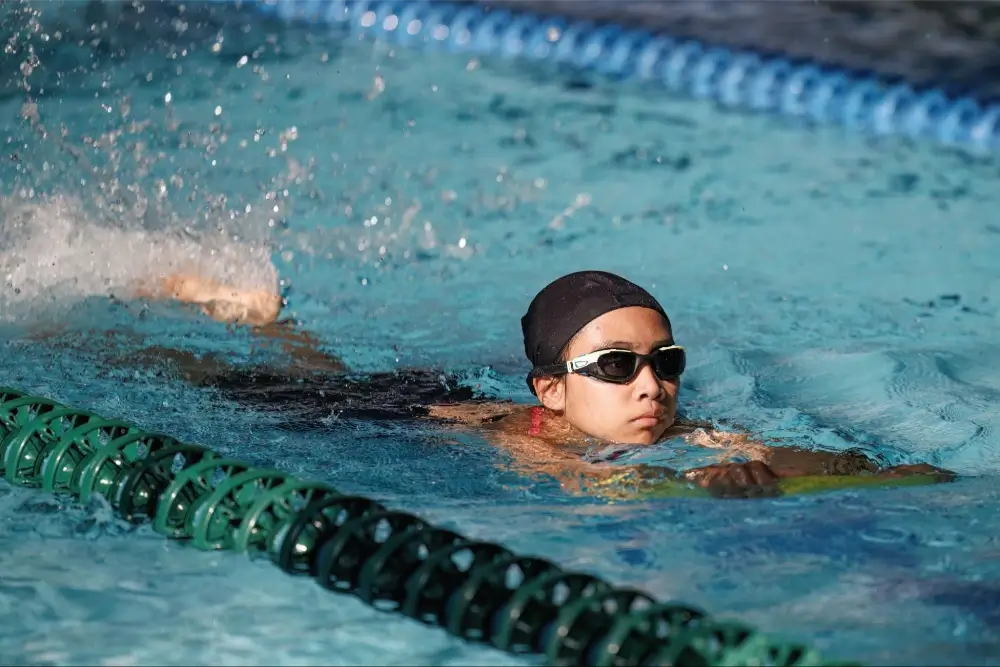
- Swimming at the local pool or community center
- Cycling and outdoor movement around the neighborhood
- Martial arts classes at nearby studios, which teach self-discipline and focus alongside fitness
- Backyard gymnastics or jump rope for coordination and endurance
Even informal movement helps 8-year-olds build a healthy relationship with physical activity — one that can last a lifetime.
Creative Arts Activities That Spark Imagination and Confidence
Drawing, painting, and craft-making at home give children freedom to express emotions without academic pressure. Many parents also enroll their 8-year-olds in:
- Music lessons — piano and guitar are particularly popular at this age
- Community art classes for structured creative exploration
- Home theater activities, where children create and perform short plays with siblings or friends
These activities build communication skills and self-confidence while encouraging storytelling and collaborative thinking.
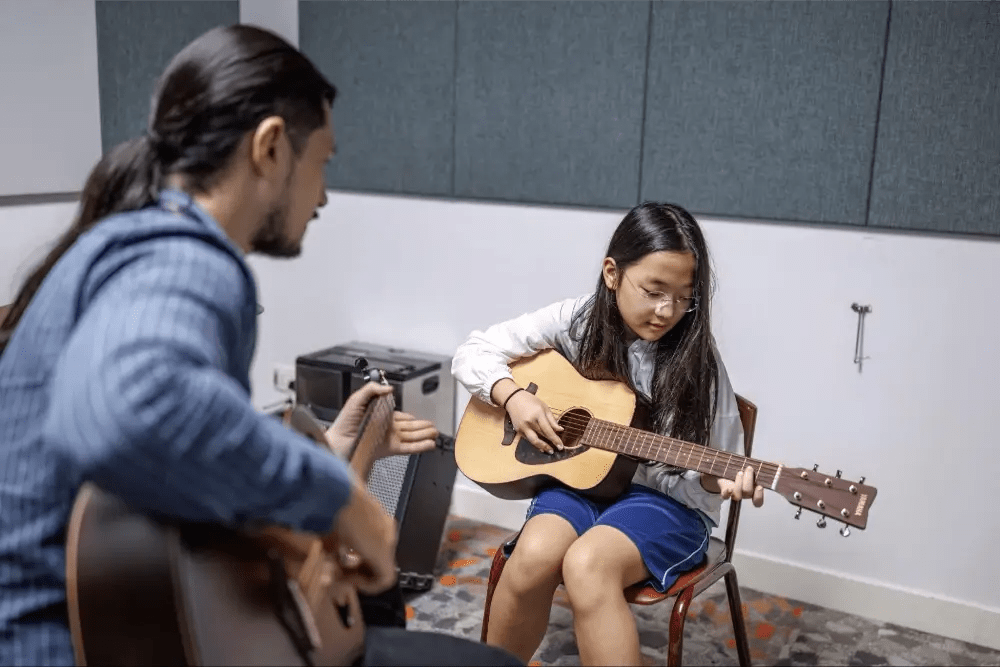
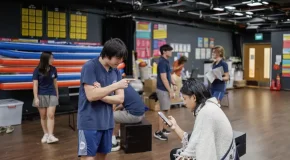
The ISHCMC Performing Arts Academy guides students through 26 specialized programs to foster creativity and public speaking confidence
STEM and Brain-Based Activities That Prepare Kids for the Future
At home, STEM activities are more accessible than ever. Great starting points include:
- Coding apps like Scratch or Tynker, designed specifically for young learners
- Robotics kits and science experiment sets that make logic hands-on and fun
- Chess, whether at the kitchen table or through an online platform
Chess in particular teaches children to think ahead, manage decisions under pressure, and develop patience — skills that transfer directly into academic performance.
Most Popular Types of Extracurricular Activities for 8-Year-Olds at school
School-based extracurricular programs offer something home activities cannot fully replicate: structured environments with qualified instructors, peer interaction, and access to professional facilities.
For 8-year-olds, this setting introduces healthy competition, teamwork, and a genuine sense of belonging — all of which are essential to development at this age.
Sports and Physical Activities That Build Teamwork and Discipline
School sports programs are ideal for children who thrive in group environments. Common offerings include:
- Swimming teams with coached technique and inter-school competition
- Basketball and football clubs that emphasize strategy and communication
- Athletics programs with access to professional facilities and structured training
Competitive school sports teach children how to handle both winning and losing graciously, follow guidance, and support their teammates — lessons that go well beyond the field.
Creative Arts Activities That Spark Imagination and Confidence
School-based performing arts programs are among the most transformative extracurriculars for 8-year-olds. Drama, dance, and choir allow children to step outside their comfort zones in a safe, supportive setting.
These activities develop:
- Public speaking confidence through performance and presentation
- Emotional intelligence through character exploration and storytelling
- Creative collaboration with peers in a structured, goal-oriented environment
Schools with dedicated performing arts academies — offering professional instruction across music, dance, and theater — provide a depth of experience that is difficult to replicate elsewhere.
For a deeper look at creative extracurriculars by age, explore our full guide: [Art Extracurricular Activities Every Parent Should Know About].
STEM and Brain-Based Activities That Prepare Kids for the Future
School STEM programs bring an important dimension that home learning often cannot: real teamwork. Robotics clubs, coding workshops, and science fairs involve collaborative projects that mirror real-world problem-solving.
Children learn to:
- Communicate and divide tasks within a team
- Iterate on solutions through trial and error
- Present their findings with clarity and confidence
These experiences build both technical competence and critical thinking — increasingly recognized as essential preparation for a technology-driven future.
The Real Benefits of Extracurricular Activities for 8-Year-Olds
The benefits of extracurricular participation at age 8 are well-documented. They fall across three key areas:
| Area | Key Benefits |
| Academic | Better time management, stronger focus, higher classroom motivation |
| Social | Peer friendships, empathy, ability to navigate group dynamics |
| Mental wellbeing | Reduced stress, stronger sense of identity, greater resilience |
Choosing even one or two meaningful activities at this age can have a lasting positive impact. The key is not quantity — it is finding the right fit for your child’s personality, energy, and natural interests.
How ISHCMC Supports Well-Rounded Development Beyond the Classroom
At ISHCMC, learning extends far beyond academic achievement. The school offers 95+ after-school activities alongside 26+ programs within the ISHCMC Performing Arts Academy, spanning Dance, Drama, and Music — supported by 24 dedicated professional performing arts teachers.
Students benefit from world-class facilities including:
- Two 25-meter heated swimming pools and three gymnasiums
- A professional black box theater and dedicated arts studios
- Design tech labs, robotics spaces, and wellness rooms
With students from 60+ nationalities, ISHCMC creates an environment where 8-year-olds can explore their passions, build real skills, and truly belong.
FAQs
1. How do I find the right balance between extracurricular activities and rest for my 8-year-old?
A good rule of thumb is one to two activities per week, leaving enough room for free play, family time, and adequate sleep. Pay attention to your child’s energy levels and mood — a happy, engaged child is usually a well-balanced one.
2. Should I let my child quit an activity they have started?
It depends on the reason. Short-term discomfort is normal, but persistent unhappiness is a clear signal to reassess. Always discuss with your child before deciding.
3. Are school-based activities better than community programs for 8-year-olds?
Both offer unique value. School programs build peer connection, while community activities offer variety and flexibility. A combination of both often works best.